What are you looking for?
Search


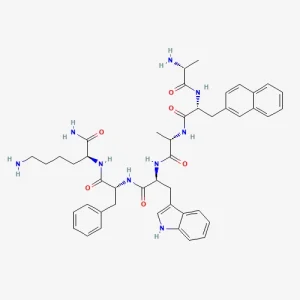 Source: PubChem Source: PubChem |
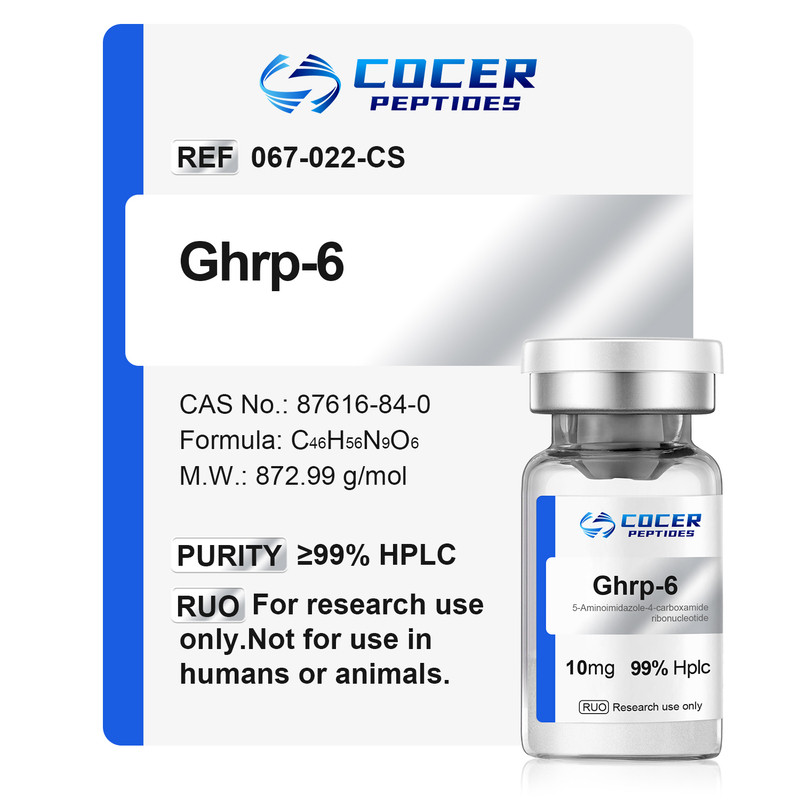
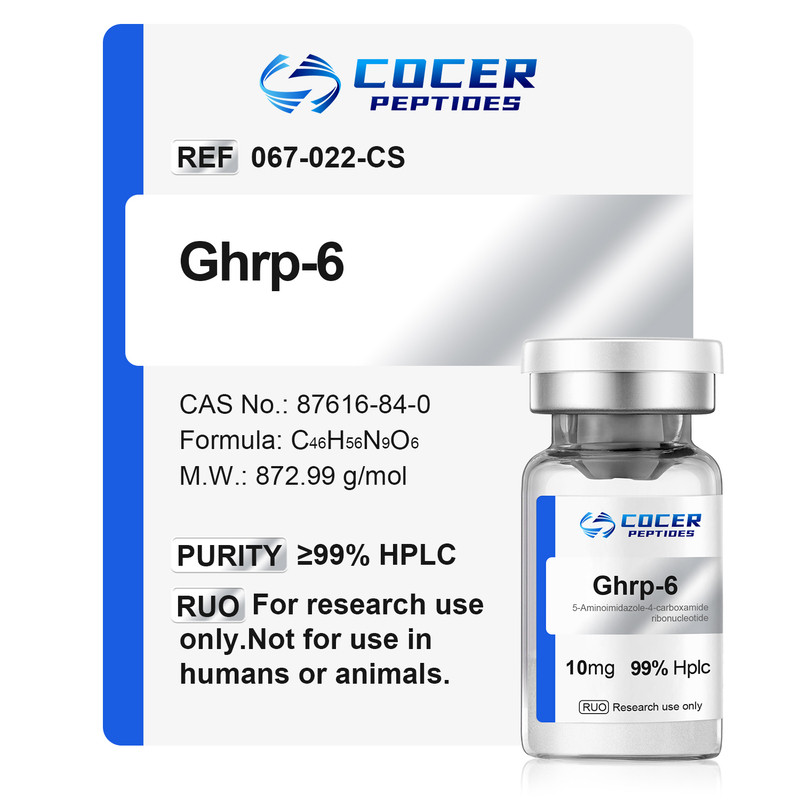
Sequence: HWAWFK Molecular Formula: C46H56N12O6 Molecular Weight: 873.0 g/mol CAS Number: 87616-84-0 PubChem CID:9919153 Synonyms: Melanostatine 2;His(1)-lys(6)-ghrp;GH-Releasing hexapeptide 6 |
▎GHRP-6 Research
What is the research background of GHRP-6? Research on GHRP-6 originated from in-depth investigations into the regulatory mechanisms of growth hormone (GH). Early studies revealed that, beyond the natural growth hormone-releasing hormone (GHRH), the body possesses additional pathways regulating GH secretion, including receptors capable of specifically promoting GH release (i.e., the growth hormone secretagogue receptor, GHSR). To further unravel this regulatory pathway and identify tools for precise intervention in GH secretion, researchers began synthesizing compounds targeting GHSR. GHRP-6 emerged from this theoretical framework as a hexapeptide designed to activate the GHSR pathway, elucidating its role in regulating GH synthesis and release. Concurrently, clinical and research demands for GH modulation tools propelled GHRP-6 studies. On one hand, diseases like growth hormone deficiency require more efficient GH regulation methods with unique mechanisms to supplement traditional interventions. On the other hand, researchers in fields like metabolism, muscle health, and tissue repair sought to explore related physiological processes by modulating the GH-IGF-1 axis. As a compound capable of precisely activating GHSR and regulating GH secretion, GHRP-6 became a crucial tool for studying the axis's function and mechanisms in related domains, thereby driving investigations into its physicochemical properties and mechanisms of action. What is the mechanism of action of GHRP-6? Regulation of Growth Hormone Secretion Non-Dependence on Traditional Hypothalamic Factors: GHRP-6 can specifically release growth hormone (GH) independently of the hypothalamic growth hormone-releasing hormone (GHRH) and somatostatin. This indicates it activates a pathway distinct from the classical hypothalamic regulatory pathway to stimulate GH secretion. For example, in certain experimental animal models and obese individuals, GHRP-6 demonstrates potent GH-releasing capacity unimpeded by conventional hypothalamic GHRH and somatostatin regulatory mechanisms [1]. Synergistic Action with GHRH: GHRP-6 and GHRH act on distinct receptors, exhibiting synergistic effects. Studies indicate that following meals, GH-secreting cells temporarily exhibit reduced responsiveness to GHRH; during this period, GHRP-6 potentiates GHRH-induced GH secretion. Intravenous GHRP-6 stimulates GH secretion in a dose-dependent manner. When combined with GHRH, both before and after meals, GHRP-6 synergistically induces substantial GH release. This combined effect has also been validated in cultured GH cells. Furthermore, GHRP-6 acts on the hypothalamus to stimulate GHRH secretion, thereby indirectly promoting GH release [2]. Effects on Autophagy and Apoptosis Promotion of Autophagy: [D-Lys3]-GHRP-6, a variant of GHRP-6, is considered a highly selective growth hormone-releasing hormone receptor (GHSR) antagonist. Studies have shown that it enhances autophagy signaling in both normal and doxorubicin-damaged muscle, manifested by increased beclin-1 protein abundance and elevated LC3 II to LC3 I ratios. This indicates that GHRP-6-related variants play a crucial role in maintaining muscle cellular homeostasis and responding to injury by promoting autophagy to clear damaged cellular components, thereby facilitating normal cellular metabolism and functional recovery [3]. Inhibition of apoptosis: [D-Lys3]-GHRP-6 also reduced doxorubicin-induced apoptosis activation in muscle cells, with no histological abnormalities observed in treated muscle tissue. Concurrently, the increase in central nucleation of myofibers induced by doxorubicin was absent in [D-Lys3]-GHRP-6-treated muscles, suggesting its protective effect against doxorubicin damage. This maintains the normal physiological state of muscle cells by regulating apoptosis [3]. Regulation of Fibrosis-Related Gene Expression Reduced Expression of Pro-Fibrotic Genes: In models such as liver fibrosis and skin wound healing, GHRP-6 exhibits anti-fibrotic properties. At the molecular level, it reduces the transcriptional expression of pro-fibrotic genes TGFB1 and CTGF. TGFB1 and CTGF play pivotal roles in fibrosis; their reduced expression helps inhibit excessive accumulation of extracellular matrix proteins, thereby alleviating fibrosis severity [4]. Induction of Anti-Fibrotic Gene Expression: GHRP-6 concurrently induces PPARG and MMP-13 gene expression. PPARG participates in regulating adipocyte differentiation and metabolism while exhibiting inhibitory effects on inflammation and fibrosis; MMP-13 degrades extracellular matrix components, aiding in maintaining normal tissue structure and function. Increased expression of both genes facilitates suppression of the pathological accumulation process of fibrosis [4]. Protective Mechanisms for Gastrointestinal Mucosa Blocking Stress Signal Transduction: In a water immersion restraint stress (WRS)-induced gastric mucosal injury model, GHRP-6 exerts a protective effect. WRS transmits signals from skin stimulation via the vagus nerve to the central nervous system, leading to gastric mucosal injury. GHRP-6 prevents this damage, likely by blocking stress signal transmission, thereby reducing adverse vagus nerve stimulation to the gastric mucosa and averting mucosal injury [5]. Regulation of gastric acid secretion and other factors: WRS induces increased gastric acid secretion, whereas GHRP-6 may restore acid secretion to normal levels, thereby mitigating gastric acid damage to the mucosa. Additionally, GHRP-6 may exert indirect protective effects on the gastric mucosa by influencing plasma renin, endothelin-1, thromboxane B2, and gastric heat shock protein 70 in plasma, thereby indirectly protecting the gastric mucosa and maintaining its integrity and normal function [5]. Figure 1 Heart rate variability analyses showing the differences in mean R-R intervals, standard deviation of the normal-to-normal R-R intervals, and root mean square of successive differences of R-R intervals in different groups
[5].
What are the applications of GHRP-6? Anti-fibrotic effects Liver fibrosis: In rat models of liver cirrhosis, both prophylactic and therapeutic use of GHRP-6 demonstrated significant efficacy. It reduced fibrotic nodules by over 75%, decreased cord thickness and cirrhotic nodule count by up to 60%, while also exerting pronounced hepatoprotective effects. At the molecular level, GHRP-6 decreased transcriptional expression of the pro-fibrotic genes TGFB1 and CTGF while inducing PPARG and MMP-13 gene expression—genes crucial for inhibiting pathological accumulation processes
[4]. Skin fibrosis: In a rat simple wound model, GHRP-6 accelerated wound closure and reduced inflammatory infiltration. In a rabbit hypertrophic scar model, the peptide prevented keloid formation in over 90% of treated wounds, suggesting GHRP-6's potential value in preventing and treating skin fibrosis-related disorders
[4]. Stimulation of Growth Hormone Secretion Effects on Normal Physiology: Intravenous administration of GHRP-6 stimulates growth hormone (GH) secretion in a dose-dependent manner. Following feeding, the response of GH cells to growth hormone-releasing hormone (GHRH) is temporarily diminished. However, co-administration of GHRP-6 with GHRH synergistically induces substantial GH release both before and after feeding, with equivalent effects observed in cultured GH cells. Furthermore, GHRP-6 acts on the hypothalamus to stimulate GHRH secretion
[6]. Effects on Specific Disease States: In rats receiving chronic glucocorticoid therapy, GHRP-6 stimulates GH secretion but fails to reverse glucocorticoid-induced GH suppression. In patients with endogenous or exogenous glucocorticoid excess, those with endogenous hypercortisolemia exhibited diminished GH responses to both GHRP-6 and GHRH, whereas the response mechanism to GHRP-6 appeared preserved in patients with exogenous glucocorticoid excess
[7,8]. Immunomodulatory Effects: In tilapia, GHRP-6 upregulates the transcriptional levels of three fish-specific bacteriocins (Oreochromicins I, II, and III) and granzyme in a tissue-dependent manner, regardless of Pseudomonas aeruginosa infection status. It also enhances serum antimicrobial activity (lysozyme and antiprotease activity), enhancing the in vitro antibacterial activity of tilapia gill mucus and serum samples against Pseudomonas aeruginosa and reducing bacterial load in vivo post-infection. This suggests GHRP-6 holds promise as an alternative therapeutic agent in aquaculture for stimulating the immune system of teleost fish against opportunistic bacteria
[9]. Cardiac Protection Potential: Growth hormone-releasing peptides (GHRPs) stimulate growth hormone secretion and downstream axis activity, with their associated receptors widely distributed throughout the cardiovascular system. Early studies identified synthetic GHRPs as promising candidates for cardiac and cellular protection. Among these, GHRP-6—despite occasional and sporadic clinical interventions—holds potential for coherent clinical development based on its multifactorial mechanisms in myocardial infarction
[10].
Conclusion As a synthetic hexapeptide growth hormone secretagogue, GHRP-6 primarily regulates the GH-IGF-1 axis through specific binding to GHSR, demonstrating multifaceted value in physiological function modulation and disease research. GHRP-6 not only targets GH secretion to influence metabolic balance and tissue growth regulation but also exhibits effects in anti-fibrosis (liver, skin), cardioprotection (inhibiting myocardial apoptosis, improving cardiac function), and immunomodulation. It also serves as a critical research tool for elucidating GHSR function and GH regulatory mechanisms.
About The Author The above-mentioned materials are all researched, edited and compiled by Cocer Peptides.
Scientific Journal Author L. Hernández is a researcher in the life sciences, engaged in academic work at universities or research institutes. His/her scholarly interests encompass areas related to animal health and molecular biology, with active involvement in interdisciplinary and international collaborations. As an author of multiple peer-reviewed publications, L. Hernández has contributed to the advancement of knowledge in the field and maintains a recognized presence in the scientific community. L. Hernández is listed in the reference of citation [9].
Figure 1 Heart rate variability analyses showing the differences in mean R-R intervals, standard deviation of the normal-to-normal R-R intervals, and root mean square of successive differences of R-R intervals in different groups
[5].
What are the applications of GHRP-6? Anti-fibrotic effects Liver fibrosis: In rat models of liver cirrhosis, both prophylactic and therapeutic use of GHRP-6 demonstrated significant efficacy. It reduced fibrotic nodules by over 75%, decreased cord thickness and cirrhotic nodule count by up to 60%, while also exerting pronounced hepatoprotective effects. At the molecular level, GHRP-6 decreased transcriptional expression of the pro-fibrotic genes TGFB1 and CTGF while inducing PPARG and MMP-13 gene expression—genes crucial for inhibiting pathological accumulation processes
[4]. Skin fibrosis: In a rat simple wound model, GHRP-6 accelerated wound closure and reduced inflammatory infiltration. In a rabbit hypertrophic scar model, the peptide prevented keloid formation in over 90% of treated wounds, suggesting GHRP-6's potential value in preventing and treating skin fibrosis-related disorders
[4]. Stimulation of Growth Hormone Secretion Effects on Normal Physiology: Intravenous administration of GHRP-6 stimulates growth hormone (GH) secretion in a dose-dependent manner. Following feeding, the response of GH cells to growth hormone-releasing hormone (GHRH) is temporarily diminished. However, co-administration of GHRP-6 with GHRH synergistically induces substantial GH release both before and after feeding, with equivalent effects observed in cultured GH cells. Furthermore, GHRP-6 acts on the hypothalamus to stimulate GHRH secretion
[6]. Effects on Specific Disease States: In rats receiving chronic glucocorticoid therapy, GHRP-6 stimulates GH secretion but fails to reverse glucocorticoid-induced GH suppression. In patients with endogenous or exogenous glucocorticoid excess, those with endogenous hypercortisolemia exhibited diminished GH responses to both GHRP-6 and GHRH, whereas the response mechanism to GHRP-6 appeared preserved in patients with exogenous glucocorticoid excess
[7,8]. Immunomodulatory Effects: In tilapia, GHRP-6 upregulates the transcriptional levels of three fish-specific bacteriocins (Oreochromicins I, II, and III) and granzyme in a tissue-dependent manner, regardless of Pseudomonas aeruginosa infection status. It also enhances serum antimicrobial activity (lysozyme and antiprotease activity), enhancing the in vitro antibacterial activity of tilapia gill mucus and serum samples against Pseudomonas aeruginosa and reducing bacterial load in vivo post-infection. This suggests GHRP-6 holds promise as an alternative therapeutic agent in aquaculture for stimulating the immune system of teleost fish against opportunistic bacteria
[9]. Cardiac Protection Potential: Growth hormone-releasing peptides (GHRPs) stimulate growth hormone secretion and downstream axis activity, with their associated receptors widely distributed throughout the cardiovascular system. Early studies identified synthetic GHRPs as promising candidates for cardiac and cellular protection. Among these, GHRP-6—despite occasional and sporadic clinical interventions—holds potential for coherent clinical development based on its multifactorial mechanisms in myocardial infarction
[10].
Conclusion As a synthetic hexapeptide growth hormone secretagogue, GHRP-6 primarily regulates the GH-IGF-1 axis through specific binding to GHSR, demonstrating multifaceted value in physiological function modulation and disease research. GHRP-6 not only targets GH secretion to influence metabolic balance and tissue growth regulation but also exhibits effects in anti-fibrosis (liver, skin), cardioprotection (inhibiting myocardial apoptosis, improving cardiac function), and immunomodulation. It also serves as a critical research tool for elucidating GHSR function and GH regulatory mechanisms.
About The Author The above-mentioned materials are all researched, edited and compiled by Cocer Peptides.
Scientific Journal Author L. Hernández is a researcher in the life sciences, engaged in academic work at universities or research institutes. His/her scholarly interests encompass areas related to animal health and molecular biology, with active involvement in interdisciplinary and international collaborations. As an author of multiple peer-reviewed publications, L. Hernández has contributed to the advancement of knowledge in the field and maintains a recognized presence in the scientific community. L. Hernández is listed in the reference of citation [9].
Richard A. Loy US
I wish I had found this when I started. Things I learned the hard way and that you shouldn't do with Retatrutide: 1- Not drinking enough fluids and not including mineral salts and electrolytes. You dehydrate very quickly with Retatrutide. 2- Cutting calories by more than 1000 kcal was crazy, and I lost almost as much muscle as fat. Remember that Retatrutide increases your basal metabolic rate. 3- Not getting enough protein (I always did this correctly, but many people make mistakes). Aim for 2 grams per kilogram of body weight of muscle mass. 4- Starting with very high doses or increasing them too quickly. I was cautious and started with 0.5 mg and then spent 4 weeks on 1 mg. 5- Thinking it's Tirze or Sema; it's not the same at all. Appetite suppression is less pronounced, and Retatrutide works in the long term. 6- Not weight training; this is a very common mistake. I love it, but a lot of people make mistakes here. I think that training, along with protein, is vital for maintaining mu
04.22.2026 5
 Retatrutid 1kits(10Vials)

Larry K. Goheen US
32M - Athletic/sports background - I have done about 2-3 days per week lifting/cardio: 30min-1hr. Not strict with it. I went from 2-4-6-8 each month and I've stayed at 8mg. Mots at 2mg 3x weekly. My diet consists of mostly protein and complex carbs. both healthy and unhealthy sources. I don't count calories. Tbh for being as inconsistent as I've been with diet and training, I'm surprised and content with these results. Reta is a most excellent tool!
04.09.2026 7
Retatrutid 1kits(10Vials)
Albert US
I have been on Retatrutide since January. I have been on Semaglutide and Trizepitide in the past under brand names. I have found Reta, and it’s worked the best for me. I have lost 37 pounds using Reta without the monthly increases that are within the studies. It doesn’t make me feel miserable. I have experience very very minimal side effects. And honesty I can’t see myself ever changing.
04.09.2026 7
Retatrutid 1kits(10Vials)
Martin Lucas US
Hey all. I started retatrutide through a friend about 4 months ago and the success has been astounding. I've lost 60 lbs so far (267-208 as of today) and feel much better about myself and the progress I've made in multiple facets of life. I found this place and have been lurkin for a while just taking information in and figured I'd finally post something. Thank you all for the valuable insight and for more to come.
04.06.2026 6
Retatrutid 1kits(10Vials)
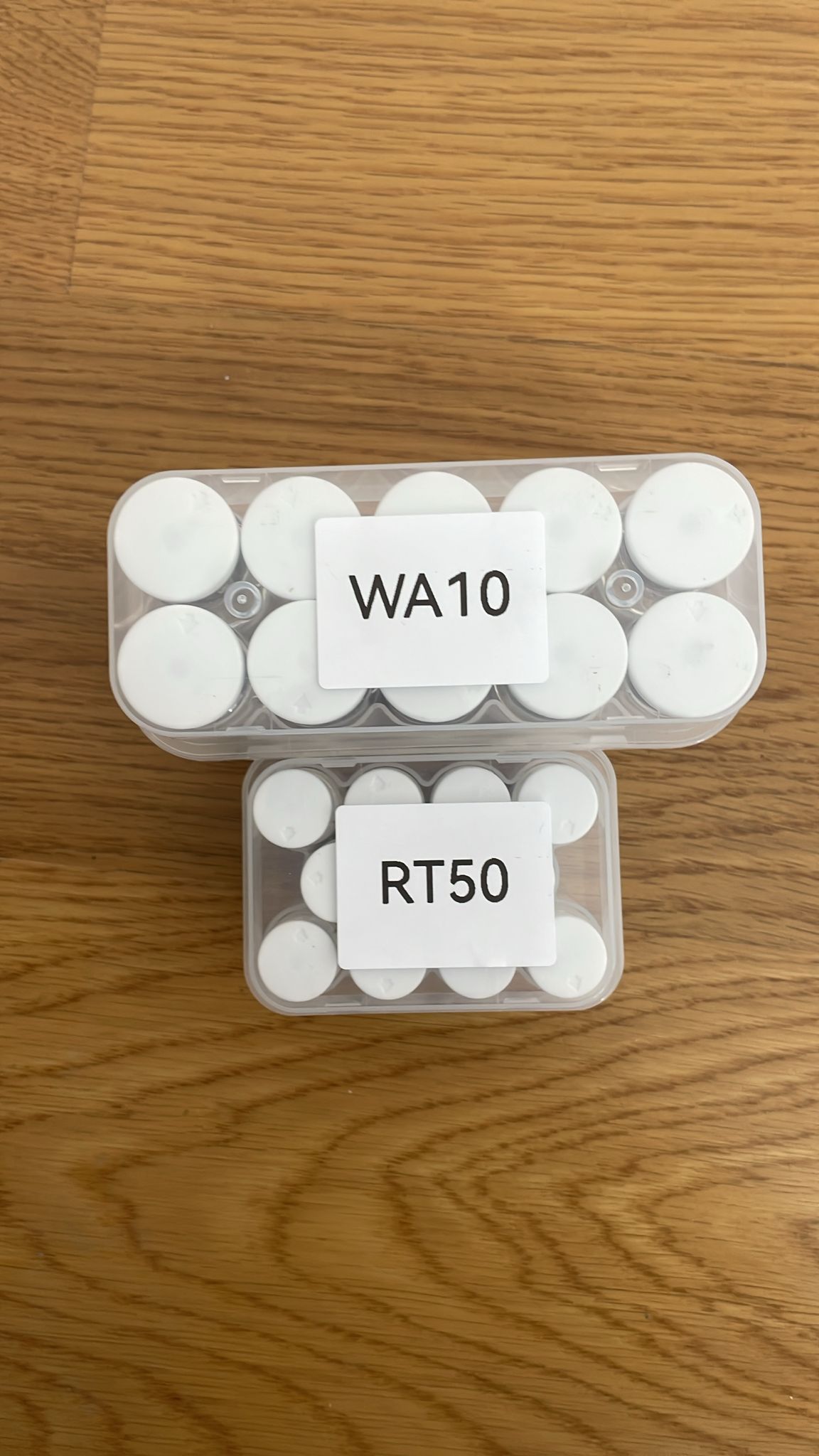
Vivian C. Walsh US
I have been taking retatrutide for a few weeks and I had the effects (atleast the weight loss mainly) (hard to say if it was mainly from the hard work put in though) I have already purchased the goods from SH., I was using 13mm needles and now I have some 12.7mm ones (the ones supplied from UK pharmacies) I was wondering if these are too large/long - I know a lot of people use 8mm, could I just choose not to insert the whole needle? Or what angle would be best, I do have a decent amount of belly fat so I believe angled the 12.7mm should work - just wondering if any advice ! Thanks
02.25.2026 5
Retatrutid 1kits(10Vials)
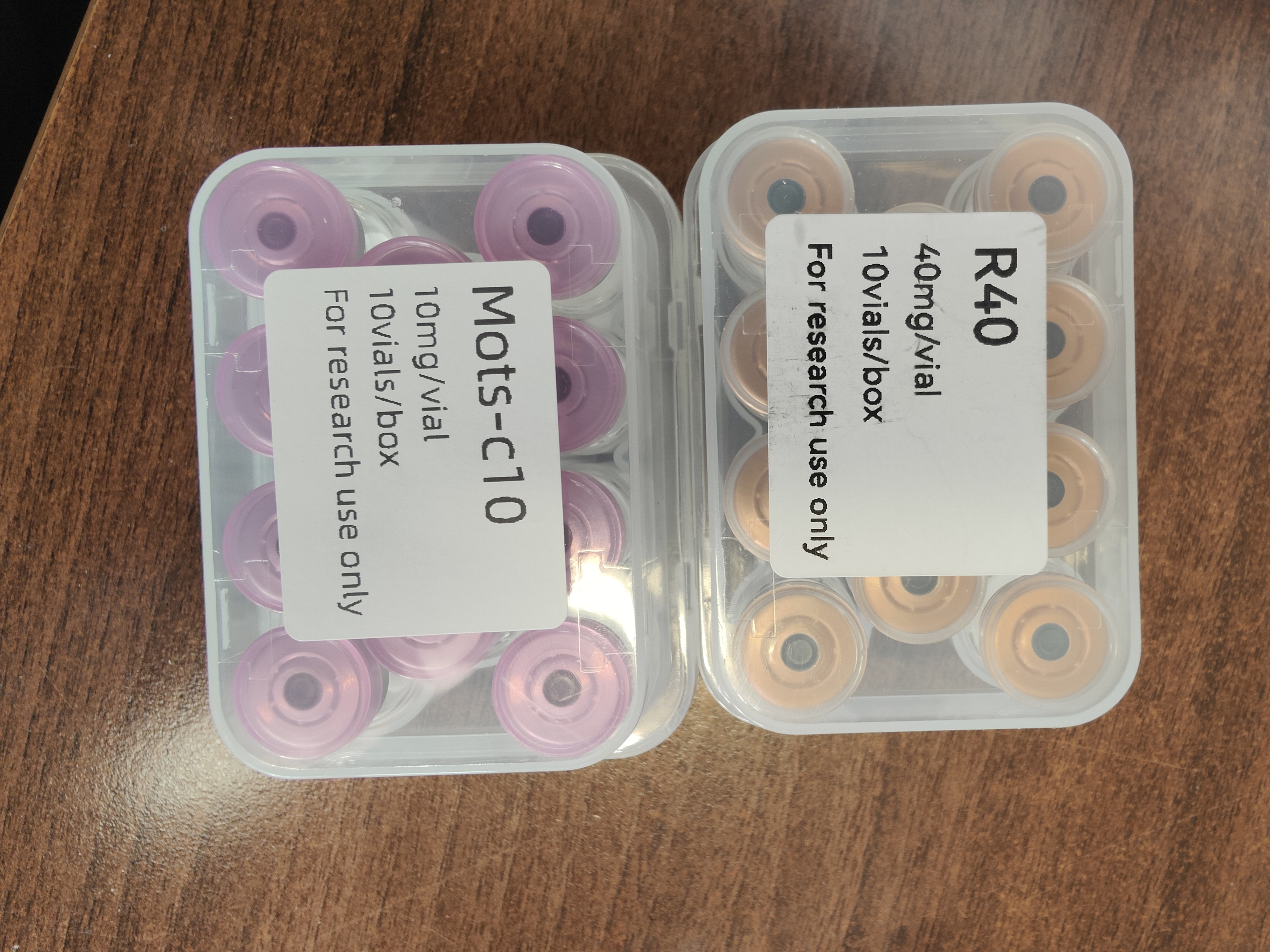
Carlos US
This was my 6th order with SH, arrived in 8 days to the UK, as standard for them. I am delighted.
02.12.2026 4
Retatrutid 1kits(10Vials)

You have successfully commented, please wait for review
Copied Successfully
You can enjoy up to 1 free gift!

Customer Reviews
Real feedback from buyers all over the world, real experience, trustworthy!