What are you looking for?
Search


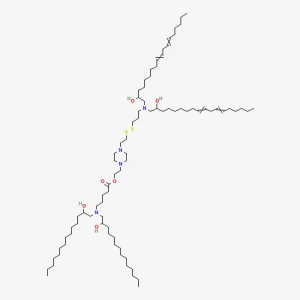 Source: PubChem Source: PubChem |
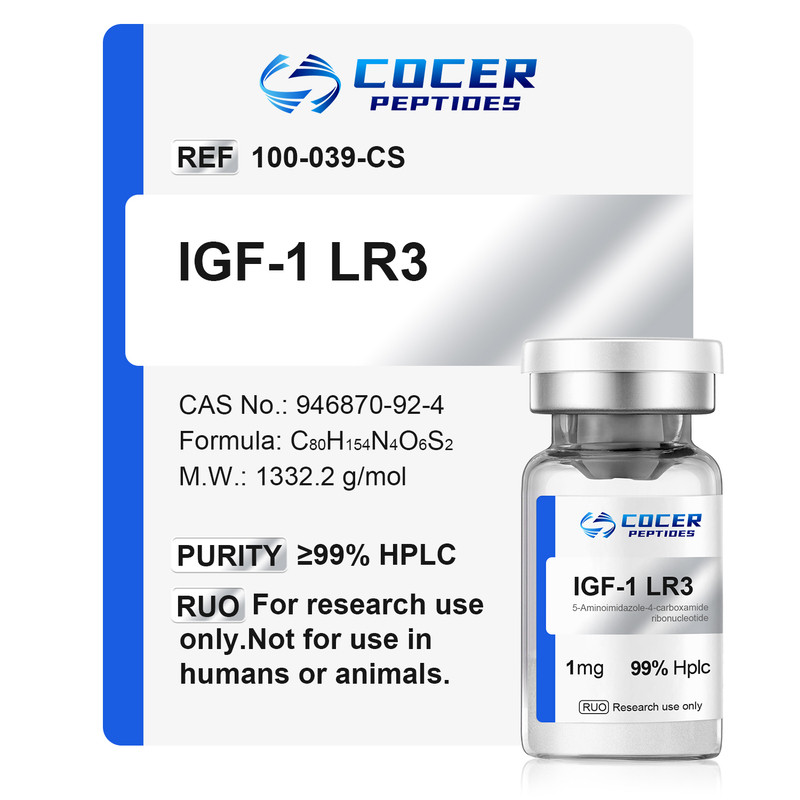
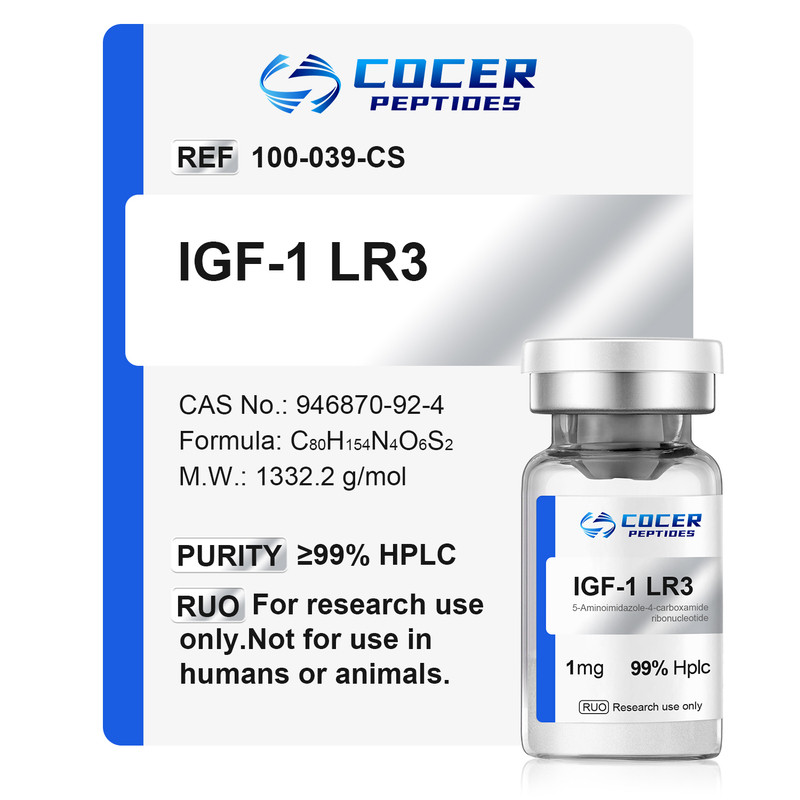
InChIKey : CRZOPHSORDIMRX-UHFFFAOYSA-N Molecular Formula: C80H154N4O6S2 Molecular Weight: 1332.2 g/mol CAS Number: 946870-92-4 PubChem CID:168009904 |
▎IGF-1 LR3 Research
What is the research background of IGF-1 LR3? Research on IGF-1 LR3 originated from the need to overcome the limitations of natural insulin-like growth factor 1 (IGF-1). As a key regulator of cell growth, differentiation, and metabolism, natural IGF-1 shows potential in tissue repair, growth and development studies, and disease intervention. However, it has significant drawbacks: Its half-life spans only a few hours, leading to rapid clearance in vivo. Furthermore, it tightly binds to IGF-binding proteins, resulting in a low proportion of free, active forms that struggle to exert sustained effects. These limitations severely constrained its efficacy in experimental research and potential applications, driving scientists to explore structurally modified analogues with enhanced performance. With advancements in molecular biology and protein engineering technologies, research teams focused on precisely modifying IGF-1 to improve its properties. Through in-depth studies of the structure-function relationship of IGF-1, researchers discovered that modifications at specific amino acid sites can influence its interactions with binding proteins and receptors: Replacing glutamic acid at position 3 with arginine and adding 13 amino acids to the N-terminus reduces its affinity for IGF-binding protein, decreasing inactive binding forms while enhancing binding to the IGF-1 receptor. Simultaneously, structural optimization extended the molecule's metabolic cycle in vivo, ultimately yielding IGF-1 LR3 with 83 amino acids. This resulted in a half-life prolonged to 20-30 hours and approximately threefold increased potency. What is the mechanism of action for IGF-1 LR3? Cell Proliferation and Differentiation Stimulation of Myoblast Proliferation: During fetal development, IGF-1 LR3 significantly promotes the proliferation of skeletal muscle myoblasts. For instance, studies on late-gestation lamb fetuses revealed that after one week of IGF-1 LR3 infusion, skeletal muscle myoblast proliferation rates significantly increased (P < 0.05). This indicates IGF-1 LR3 directly acts on myoblasts to advance the cell cycle, enabling more myoblasts to enter the proliferative state and thereby providing additional cellular sources for muscle tissue growth and development [1]. Influencing Follicular Development: During ovarian physiology, IGF-1 LR3 participates in regulating follicular growth and development. In a rat superovulation model, co-administration of IGF-1 LR3 with gonadotropins further increased ovulation rates and elevated ovarian weight in certain rat strains. This suggests IGF-1 LR3 may influence follicular maturation and ovulation by regulating granulosa cell proliferation and differentiation, thereby affecting reproductive function [2]. Regulation of Metabolism Nutrient Acquisition and Utilization: Following IGF-1 LR3 infusion in late-gestation lamb fetuses, reduced umbilical cord amino acid uptake rates were observed alongside lower fetal amino acid concentrations, despite similar fetal protein turnover rates. This suggests IGF-1 LR3 may influence fetal nutrient uptake and utilization patterns, enabling more efficient utilization of limited nutrients to support organ-specific growth rather than increasing fetal nutrient supply through placental blood flow or nutrient transfer stimulation [2]. Figure 1 IGF-1 inhibits inflammation and accelerates angiogenesis via Ras/PI3K/IKK/NF-κB signaling pathways to promote wound healing
[3]. Inhibition of Insulin Secretion: Infusion of IGF-1 LR3 or saline into late-gestation fetal lambs revealed reduced plasma insulin concentrations in IGF-1 LR3-infused lambs. Additionally, insulin secretion during hyperglycemic clamp experiments was diminished compared to controls. This suggests IGF-1 LR3 may directly act on pancreatic β-cells to inhibit insulin secretion. Further studies on isolated fetal islets revealed that islets from IGF-1 LR3-infused lambs exhibited persistently low insulin secretion in response to in vitro glucose stimulation, suggesting IGF-1 LR3 may induce intrinsic defects in pancreatic β-cells, impairing normal insulin secretion function
[4,5]. Angiogenesis Regulation Role in ovarian angiogenesis: In bovine luteinized follicle angiogenesis culture experiments, the effects of IGF-1 LR3 on luteinized follicle endothelial cell (EC) networks and progesterone production were investigated. Results showed limited impact on EC growth parameters but a slight increase in cell proliferation (3–5%). Conversely, IGF-1 LR3 exerted differential effects on progesterone production, whereas the IGF-1 receptor antagonist picropodophyllin (PPP) significantly reduced both EC growth parameters and progesterone concentrations. This suggests IGF-1 LR3 may modulate vascularization and progesterone production in luteinized follicles through the IGF-1 receptor signaling pathway, thereby maintaining ovarian function and fertility
[6].
What are the applications of IGF-1 LR3? Animal Growth and Development Research and Applications Promoting Fetal Organ Growth: In experiments with late-gestation lamb fetuses, infusion of IGF-1 LR3 significantly increased fetal organ growth, promoting the development of organs such as the heart, kidneys, spleen, and adrenal glands. This indicates IGF-1 LR3 plays a crucial role in regulating fetal organ development processes, contributing to a deeper understanding of fetal growth and development regulatory mechanisms. It provides theoretical support and practical guidance for improving animal reproductive performance and enhancing offspring survival rates
[1]. Stimulation of Skeletal Muscle Myoblast Proliferation: Research indicates IGF-1 LR3 stimulates skeletal muscle myoblast proliferation. In fetal sheep experiments, IGF-1 LR3 infusion markedly enhanced myoblast proliferation activity
[1]. Diabetes and Related Disease Research Evaluating Effects on Insulin Secretion: Experiments involving IGF-1 LR3 infusion in fetal lambs revealed a reduction in fetal plasma insulin concentrations. During hyperglycemic clamp experiments, insulin levels in IGF-1 LR3-treated fetal lambs were 66% lower than in controls. This phenomenon indicates a potential association between IGF-1 LR3 and insulin secretion, providing important clues for studying the pathogenesis of diabetes and developing new therapeutic strategies
[5]. Correlation with Athletic Performance: Research on elite Israeli runners and swimmers revealed that IGF1 gene polymorphisms correlate with circulating IGF1 levels, and that the IGF genetic score (IGF-GS) of sprinters is associated with athletic performance. Elite sprinters exhibited significantly higher average IGF-GS scores than national-level sprinters and high-level short-distance swimmers. This suggests the IGF-1 system may play a crucial role in terrestrial speed sports. While it remains uncertain whether IGF-GS can be used for early selection of elite sprinters, it offers new avenues for athlete selection and training interventions. Future research may enable the development of more targeted training programs to enhance athletic performance by monitoring and analyzing IGF-1-related markers in athletes
[7]. Research in Cell Biology and Basic Medicine Cell Proliferation Regulation Research: IGF-1 LR3 possesses the capacity to stimulate cell proliferation. In vitro experiments demonstrate its effective stimulation of NIH 3T3 cell proliferation. This renders IGF-1 LR3 a valuable tool for investigating cellular proliferation regulation mechanisms. By observing IGF-1 LR3's effects on proliferation across different cell lines, researchers can gain insights into fundamental biological processes such as cell cycle regulation and signaling pathways, providing a theoretical foundation for studies in oncology, regenerative medicine, and related fields
[8]. Apoptosis and Protein Metabolism Research: In studies of hydrogen peroxide-treated C2C12 cells, IGF-1 (including its analog IGF-1 LR3) modulates cellular protein synthesis and degradation balance by upregulating Pax7, myogenic regulatory factors (MRFs), mTOR, and P70S6K, reducing MuRF1 and MAFbx, and inhibiting apoptosis, thereby regulating the balance between protein synthesis and degradation. This contributes to a deeper understanding of cellular survival and death mechanisms under stress conditions, as well as the regulatory networks of protein metabolism, offering new targets and insights for the treatment of related diseases
[9].
Conclusion IGF-1 LR3, as a synthetic long-acting analog of insulin-like growth factor 1, promotes organ-specific growth in fetal heart and adrenal glands by activating signaling pathways such as PI3K/Akt and MAPK. It stimulates skeletal muscle myoblast proliferation and protein synthesis, regulates metabolism, maintains skeletal muscle health, and aids recovery from exercise-induced injuries.
About The Author The above-mentioned materials are all researched, edited and compiled by Cocer Peptides.
Scientific Journal Author Feng L is a researcher focusing on the field of exercise physiology and cardiovascular health. Their academic work mainly centers on exploring the regulatory effects of different exercise forms on physiological functions, particularly the interaction between exercise and the body's molecular mechanisms related to muscle health and cardiovascular disease recovery. Dr. Feng often adopts a combination of preclinical research models and molecular biology techniques to conduct in-depth studies. Feng L is listed in the reference of citation [9].
Figure 1 IGF-1 inhibits inflammation and accelerates angiogenesis via Ras/PI3K/IKK/NF-κB signaling pathways to promote wound healing
[3]. Inhibition of Insulin Secretion: Infusion of IGF-1 LR3 or saline into late-gestation fetal lambs revealed reduced plasma insulin concentrations in IGF-1 LR3-infused lambs. Additionally, insulin secretion during hyperglycemic clamp experiments was diminished compared to controls. This suggests IGF-1 LR3 may directly act on pancreatic β-cells to inhibit insulin secretion. Further studies on isolated fetal islets revealed that islets from IGF-1 LR3-infused lambs exhibited persistently low insulin secretion in response to in vitro glucose stimulation, suggesting IGF-1 LR3 may induce intrinsic defects in pancreatic β-cells, impairing normal insulin secretion function
[4,5]. Angiogenesis Regulation Role in ovarian angiogenesis: In bovine luteinized follicle angiogenesis culture experiments, the effects of IGF-1 LR3 on luteinized follicle endothelial cell (EC) networks and progesterone production were investigated. Results showed limited impact on EC growth parameters but a slight increase in cell proliferation (3–5%). Conversely, IGF-1 LR3 exerted differential effects on progesterone production, whereas the IGF-1 receptor antagonist picropodophyllin (PPP) significantly reduced both EC growth parameters and progesterone concentrations. This suggests IGF-1 LR3 may modulate vascularization and progesterone production in luteinized follicles through the IGF-1 receptor signaling pathway, thereby maintaining ovarian function and fertility
[6].
What are the applications of IGF-1 LR3? Animal Growth and Development Research and Applications Promoting Fetal Organ Growth: In experiments with late-gestation lamb fetuses, infusion of IGF-1 LR3 significantly increased fetal organ growth, promoting the development of organs such as the heart, kidneys, spleen, and adrenal glands. This indicates IGF-1 LR3 plays a crucial role in regulating fetal organ development processes, contributing to a deeper understanding of fetal growth and development regulatory mechanisms. It provides theoretical support and practical guidance for improving animal reproductive performance and enhancing offspring survival rates
[1]. Stimulation of Skeletal Muscle Myoblast Proliferation: Research indicates IGF-1 LR3 stimulates skeletal muscle myoblast proliferation. In fetal sheep experiments, IGF-1 LR3 infusion markedly enhanced myoblast proliferation activity
[1]. Diabetes and Related Disease Research Evaluating Effects on Insulin Secretion: Experiments involving IGF-1 LR3 infusion in fetal lambs revealed a reduction in fetal plasma insulin concentrations. During hyperglycemic clamp experiments, insulin levels in IGF-1 LR3-treated fetal lambs were 66% lower than in controls. This phenomenon indicates a potential association between IGF-1 LR3 and insulin secretion, providing important clues for studying the pathogenesis of diabetes and developing new therapeutic strategies
[5]. Correlation with Athletic Performance: Research on elite Israeli runners and swimmers revealed that IGF1 gene polymorphisms correlate with circulating IGF1 levels, and that the IGF genetic score (IGF-GS) of sprinters is associated with athletic performance. Elite sprinters exhibited significantly higher average IGF-GS scores than national-level sprinters and high-level short-distance swimmers. This suggests the IGF-1 system may play a crucial role in terrestrial speed sports. While it remains uncertain whether IGF-GS can be used for early selection of elite sprinters, it offers new avenues for athlete selection and training interventions. Future research may enable the development of more targeted training programs to enhance athletic performance by monitoring and analyzing IGF-1-related markers in athletes
[7]. Research in Cell Biology and Basic Medicine Cell Proliferation Regulation Research: IGF-1 LR3 possesses the capacity to stimulate cell proliferation. In vitro experiments demonstrate its effective stimulation of NIH 3T3 cell proliferation. This renders IGF-1 LR3 a valuable tool for investigating cellular proliferation regulation mechanisms. By observing IGF-1 LR3's effects on proliferation across different cell lines, researchers can gain insights into fundamental biological processes such as cell cycle regulation and signaling pathways, providing a theoretical foundation for studies in oncology, regenerative medicine, and related fields
[8]. Apoptosis and Protein Metabolism Research: In studies of hydrogen peroxide-treated C2C12 cells, IGF-1 (including its analog IGF-1 LR3) modulates cellular protein synthesis and degradation balance by upregulating Pax7, myogenic regulatory factors (MRFs), mTOR, and P70S6K, reducing MuRF1 and MAFbx, and inhibiting apoptosis, thereby regulating the balance between protein synthesis and degradation. This contributes to a deeper understanding of cellular survival and death mechanisms under stress conditions, as well as the regulatory networks of protein metabolism, offering new targets and insights for the treatment of related diseases
[9].
Conclusion IGF-1 LR3, as a synthetic long-acting analog of insulin-like growth factor 1, promotes organ-specific growth in fetal heart and adrenal glands by activating signaling pathways such as PI3K/Akt and MAPK. It stimulates skeletal muscle myoblast proliferation and protein synthesis, regulates metabolism, maintains skeletal muscle health, and aids recovery from exercise-induced injuries.
About The Author The above-mentioned materials are all researched, edited and compiled by Cocer Peptides.
Scientific Journal Author Feng L is a researcher focusing on the field of exercise physiology and cardiovascular health. Their academic work mainly centers on exploring the regulatory effects of different exercise forms on physiological functions, particularly the interaction between exercise and the body's molecular mechanisms related to muscle health and cardiovascular disease recovery. Dr. Feng often adopts a combination of preclinical research models and molecular biology techniques to conduct in-depth studies. Feng L is listed in the reference of citation [9].
Richard A. Loy US
I wish I had found this when I started. Things I learned the hard way and that you shouldn't do with Retatrutide: 1- Not drinking enough fluids and not including mineral salts and electrolytes. You dehydrate very quickly with Retatrutide. 2- Cutting calories by more than 1000 kcal was crazy, and I lost almost as much muscle as fat. Remember that Retatrutide increases your basal metabolic rate. 3- Not getting enough protein (I always did this correctly, but many people make mistakes). Aim for 2 grams per kilogram of body weight of muscle mass. 4- Starting with very high doses or increasing them too quickly. I was cautious and started with 0.5 mg and then spent 4 weeks on 1 mg. 5- Thinking it's Tirze or Sema; it's not the same at all. Appetite suppression is less pronounced, and Retatrutide works in the long term. 6- Not weight training; this is a very common mistake. I love it, but a lot of people make mistakes here. I think that training, along with protein, is vital for maintaining mu
04.22.2026 5
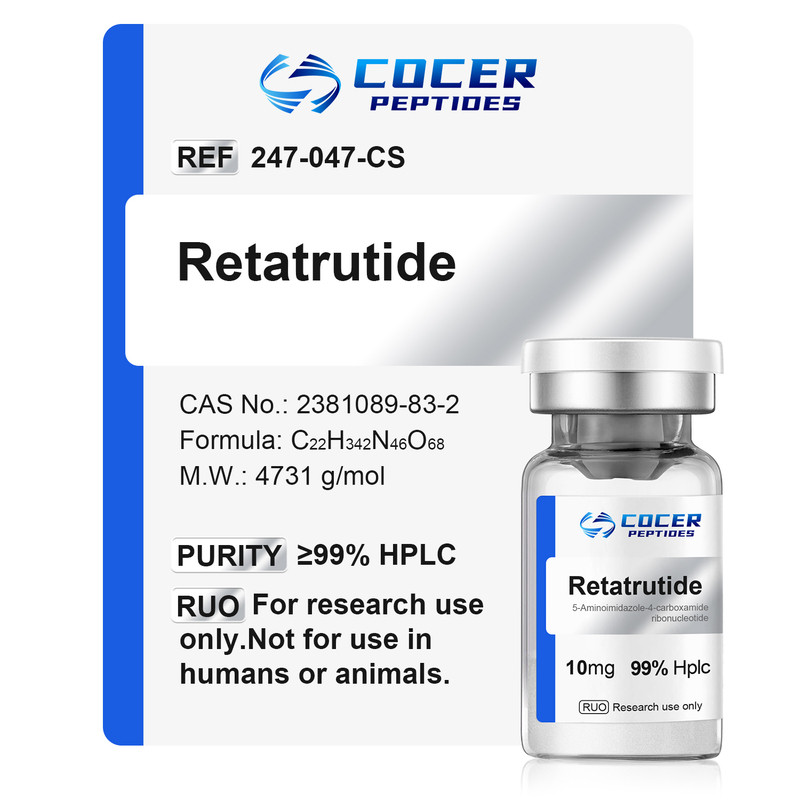 Retatrutid 1kits(10Vials)

Larry K. Goheen US
32M - Athletic/sports background - I have done about 2-3 days per week lifting/cardio: 30min-1hr. Not strict with it. I went from 2-4-6-8 each month and I've stayed at 8mg. Mots at 2mg 3x weekly. My diet consists of mostly protein and complex carbs. both healthy and unhealthy sources. I don't count calories. Tbh for being as inconsistent as I've been with diet and training, I'm surprised and content with these results. Reta is a most excellent tool!
04.09.2026 7
Retatrutid 1kits(10Vials)
Albert US
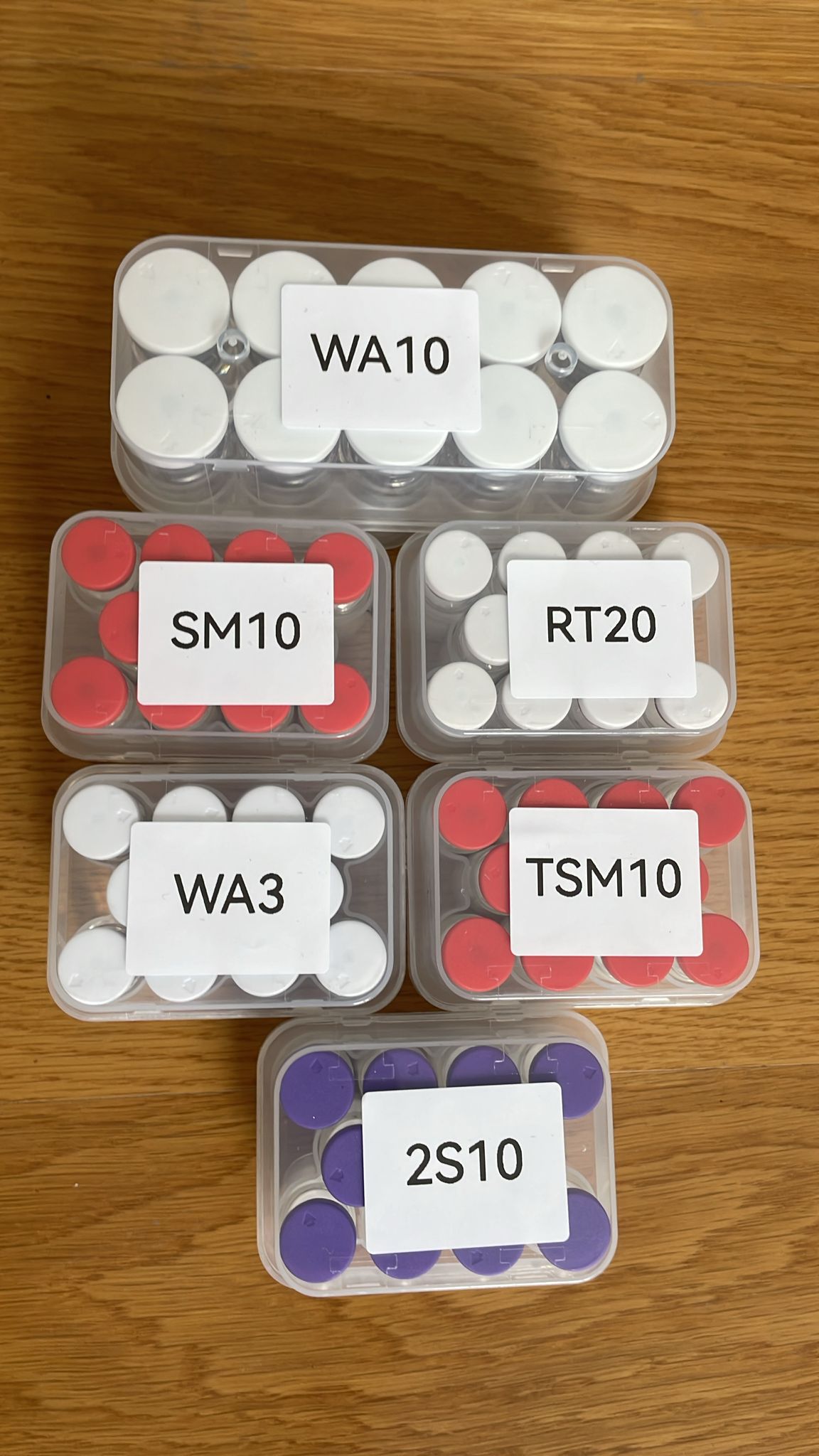
I have been on Retatrutide since January. I have been on Semaglutide and Trizepitide in the past under brand names. I have found Reta, and it’s worked the best for me. I have lost 37 pounds using Reta without the monthly increases that are within the studies. It doesn’t make me feel miserable. I have experience very very minimal side effects. And honesty I can’t see myself ever changing.
04.09.2026 7
Retatrutid 1kits(10Vials)
Martin Lucas US
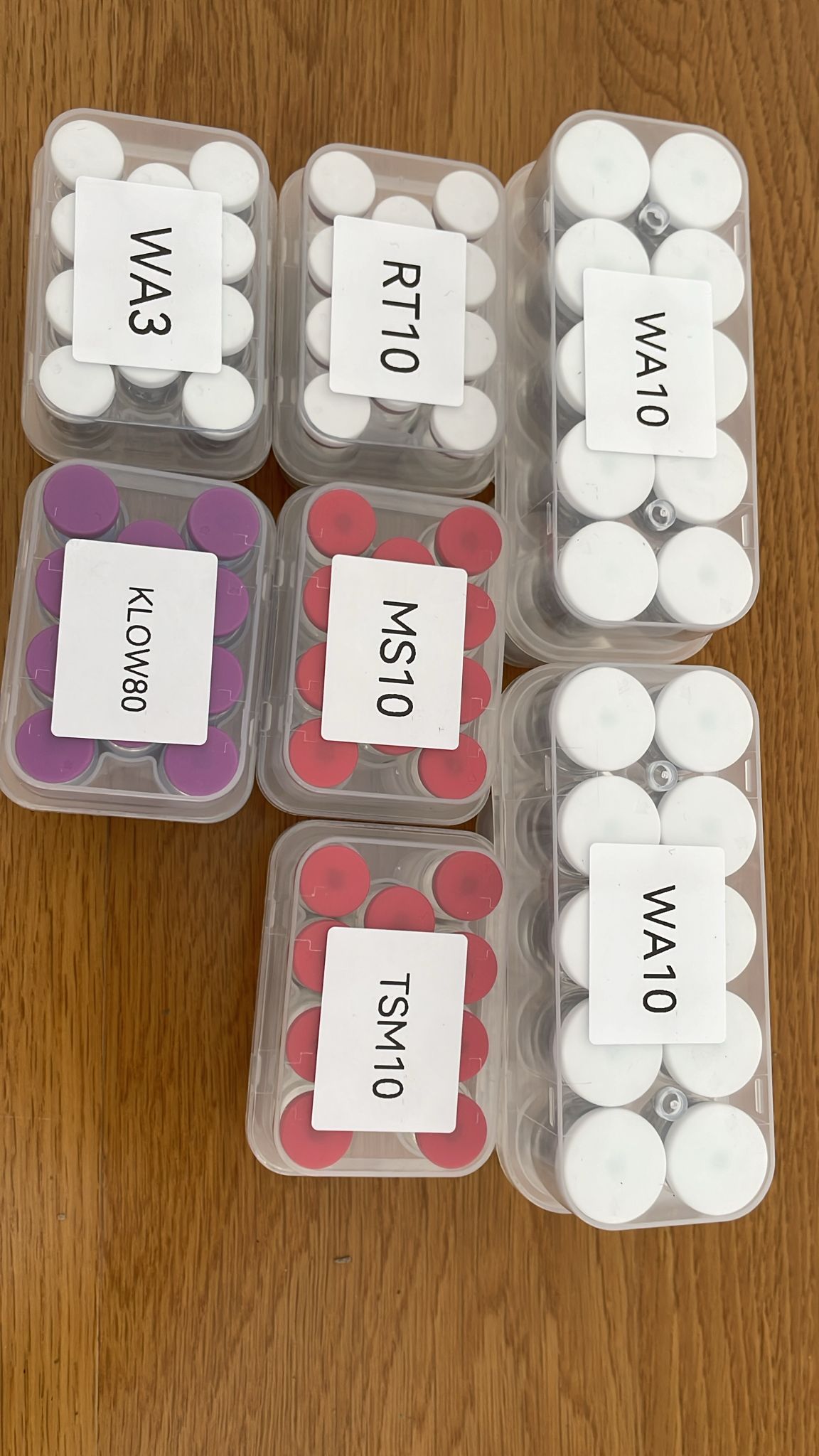
Hey all. I started retatrutide through a friend about 4 months ago and the success has been astounding. I've lost 60 lbs so far (267-208 as of today) and feel much better about myself and the progress I've made in multiple facets of life. I found this place and have been lurkin for a while just taking information in and figured I'd finally post something. Thank you all for the valuable insight and for more to come.
04.06.2026 6
Retatrutid 1kits(10Vials)
Vivian C. Walsh US
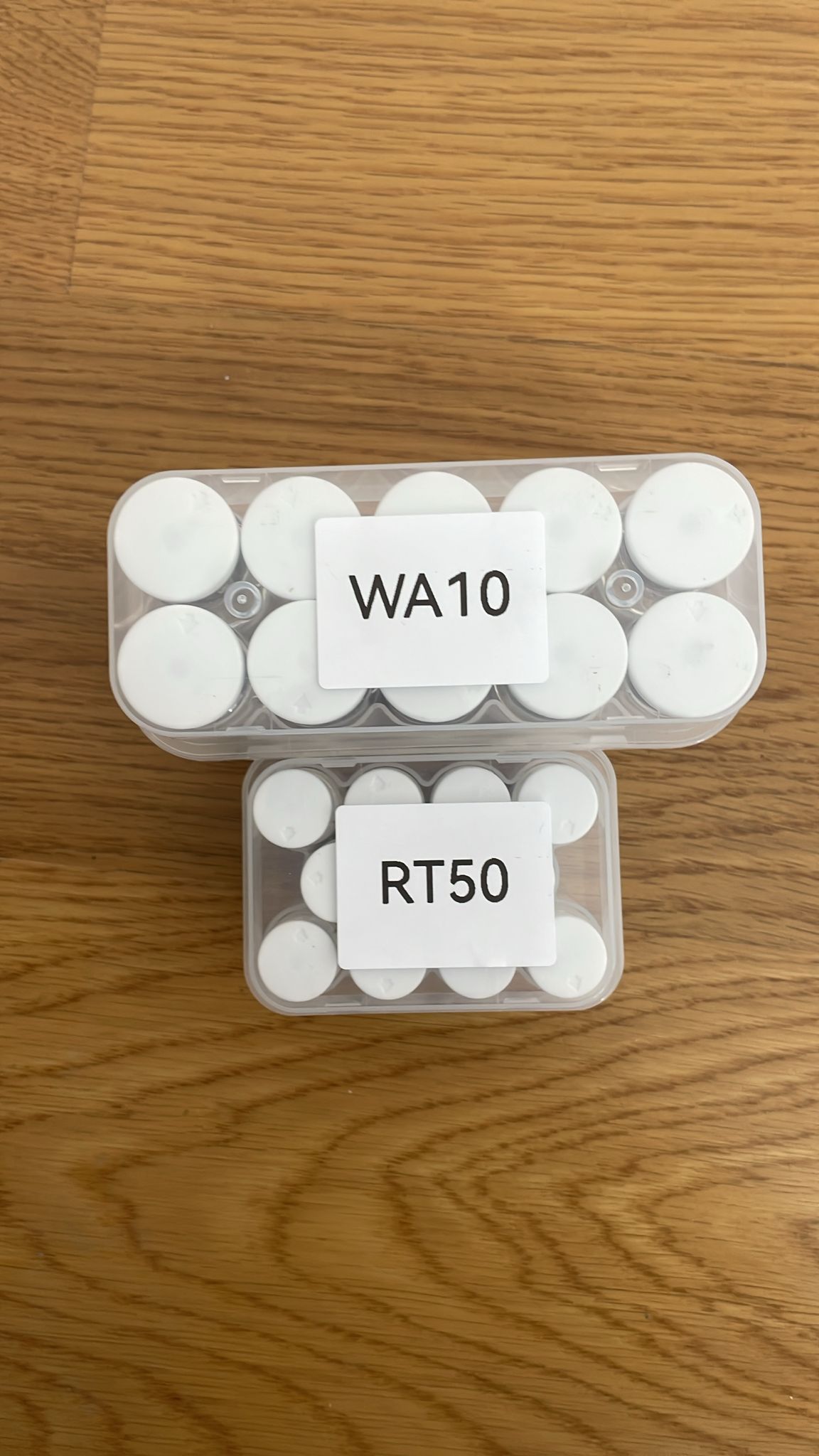
I have been taking retatrutide for a few weeks and I had the effects (atleast the weight loss mainly) (hard to say if it was mainly from the hard work put in though) I have already purchased the goods from SH., I was using 13mm needles and now I have some 12.7mm ones (the ones supplied from UK pharmacies) I was wondering if these are too large/long - I know a lot of people use 8mm, could I just choose not to insert the whole needle? Or what angle would be best, I do have a decent amount of belly fat so I believe angled the 12.7mm should work - just wondering if any advice ! Thanks
02.25.2026 5
Retatrutid 1kits(10Vials)
Carlos US
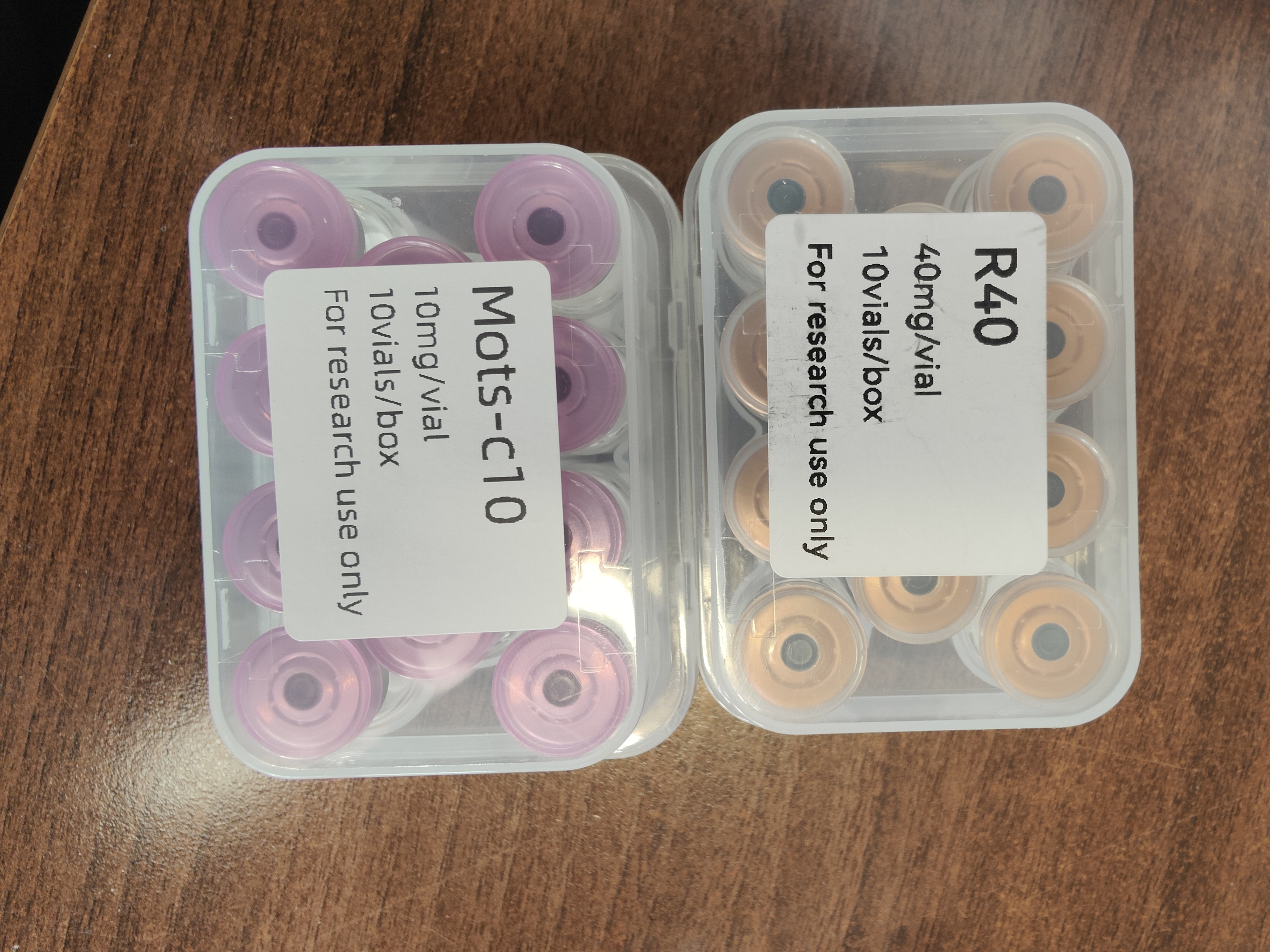
This was my 6th order with SH, arrived in 8 days to the UK, as standard for them. I am delighted.
02.12.2026 4
Retatrutid 1kits(10Vials)

You have successfully commented, please wait for review
Copied Successfully
You can enjoy up to 1 free gift!

Customer Reviews
Real feedback from buyers all over the world, real experience, trustworthy!