What are you looking for?
Search


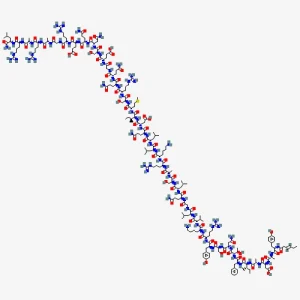 Source: PubChem Source: PubChem |
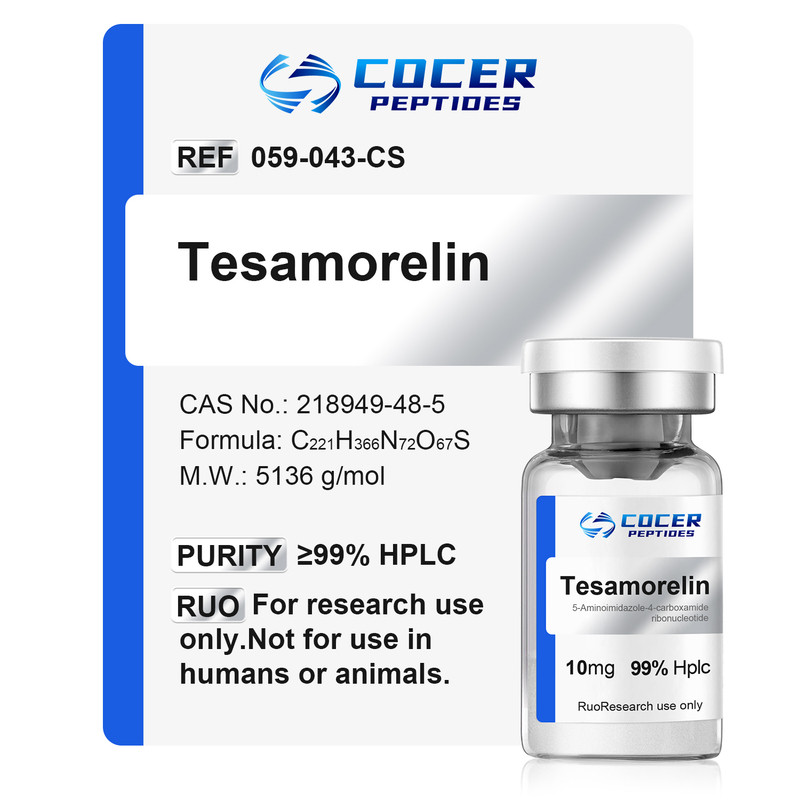
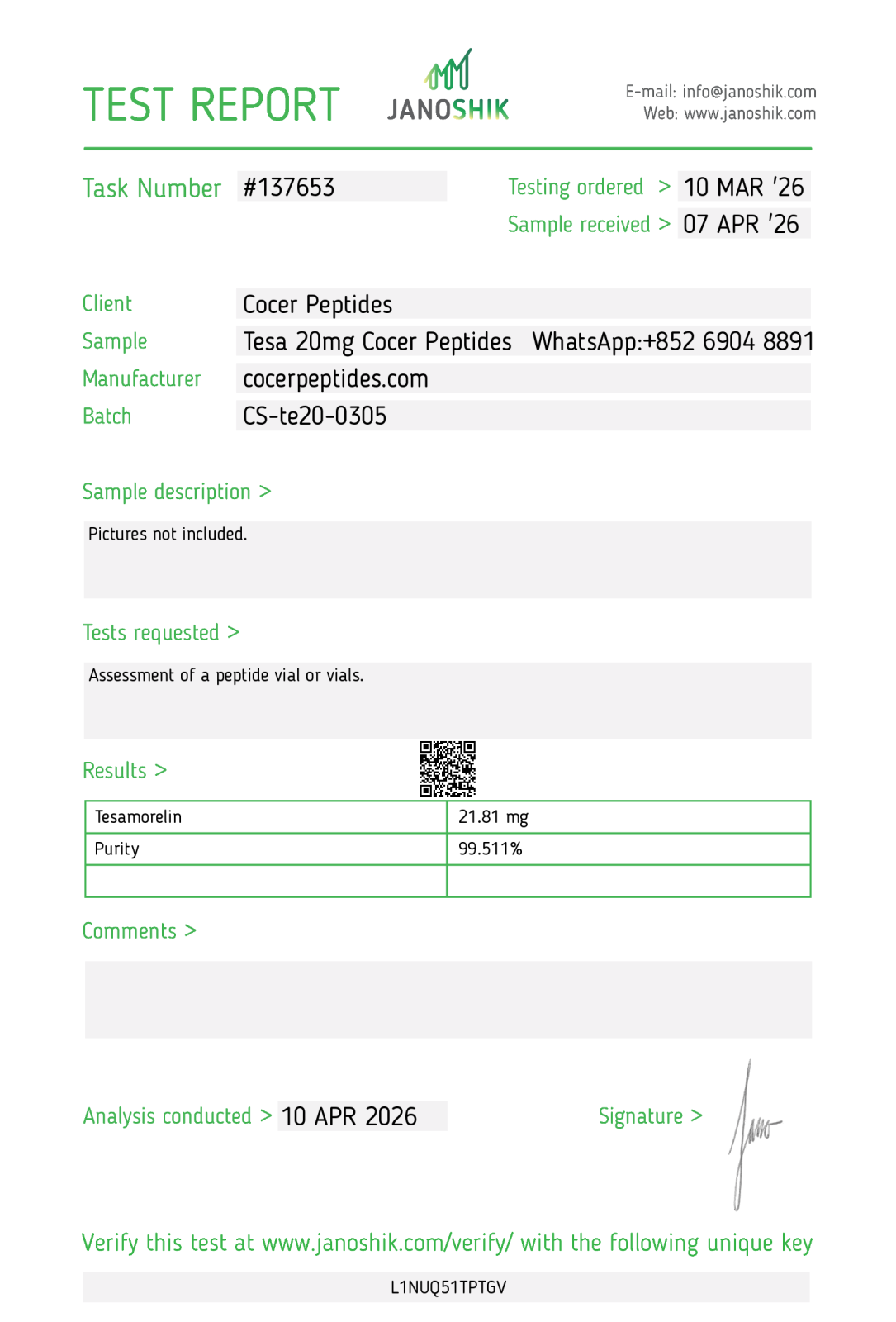
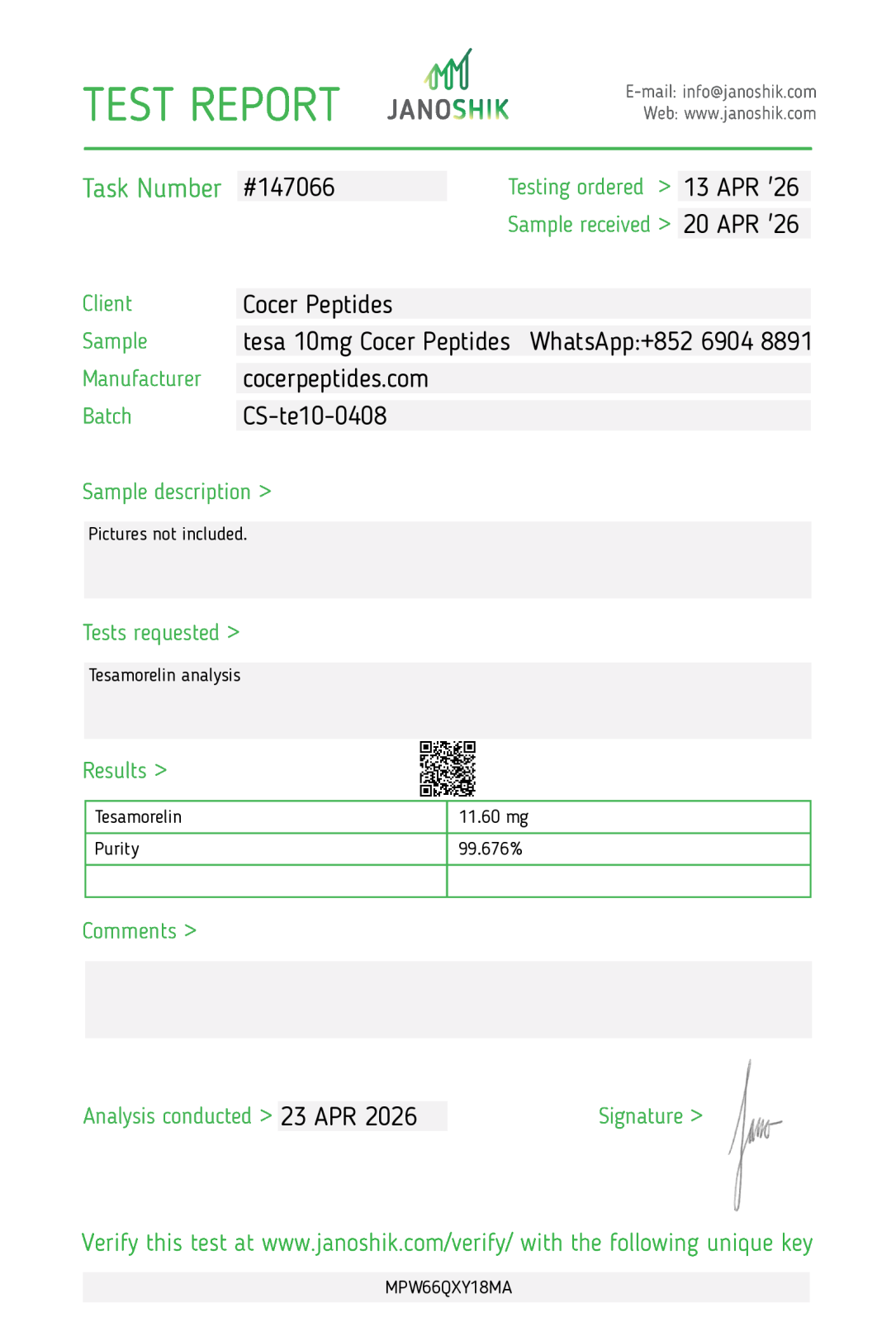
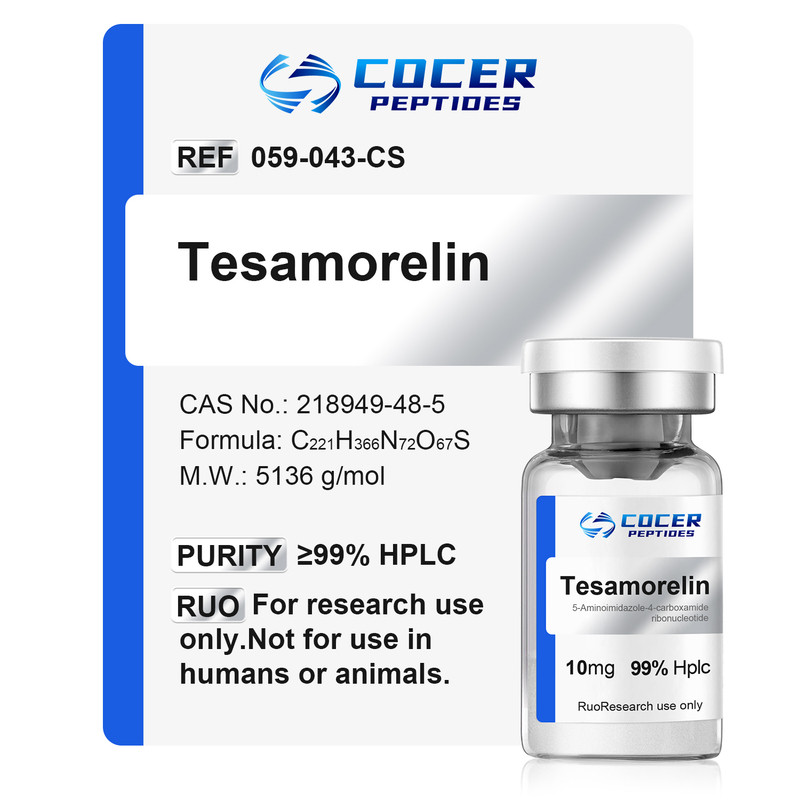
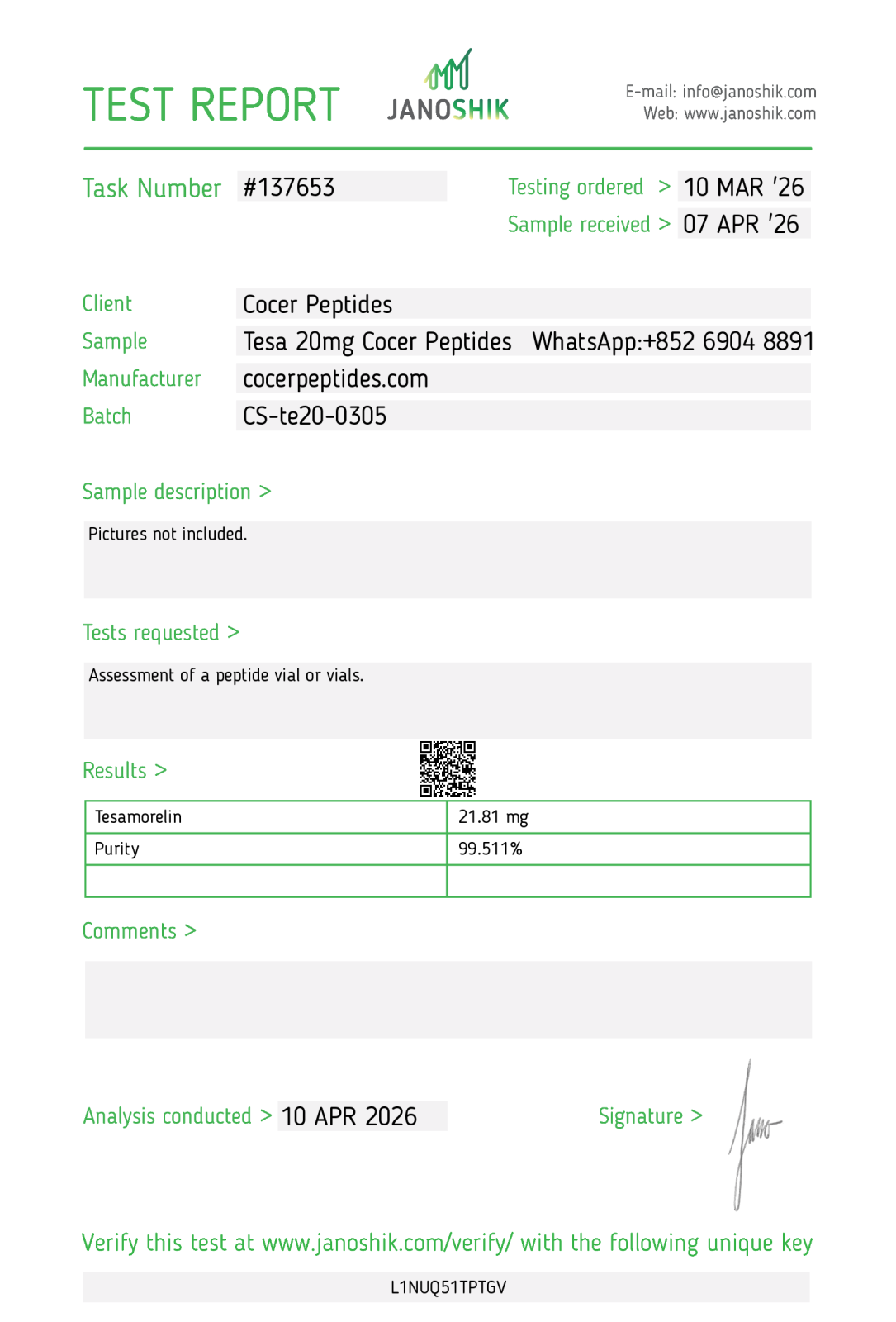
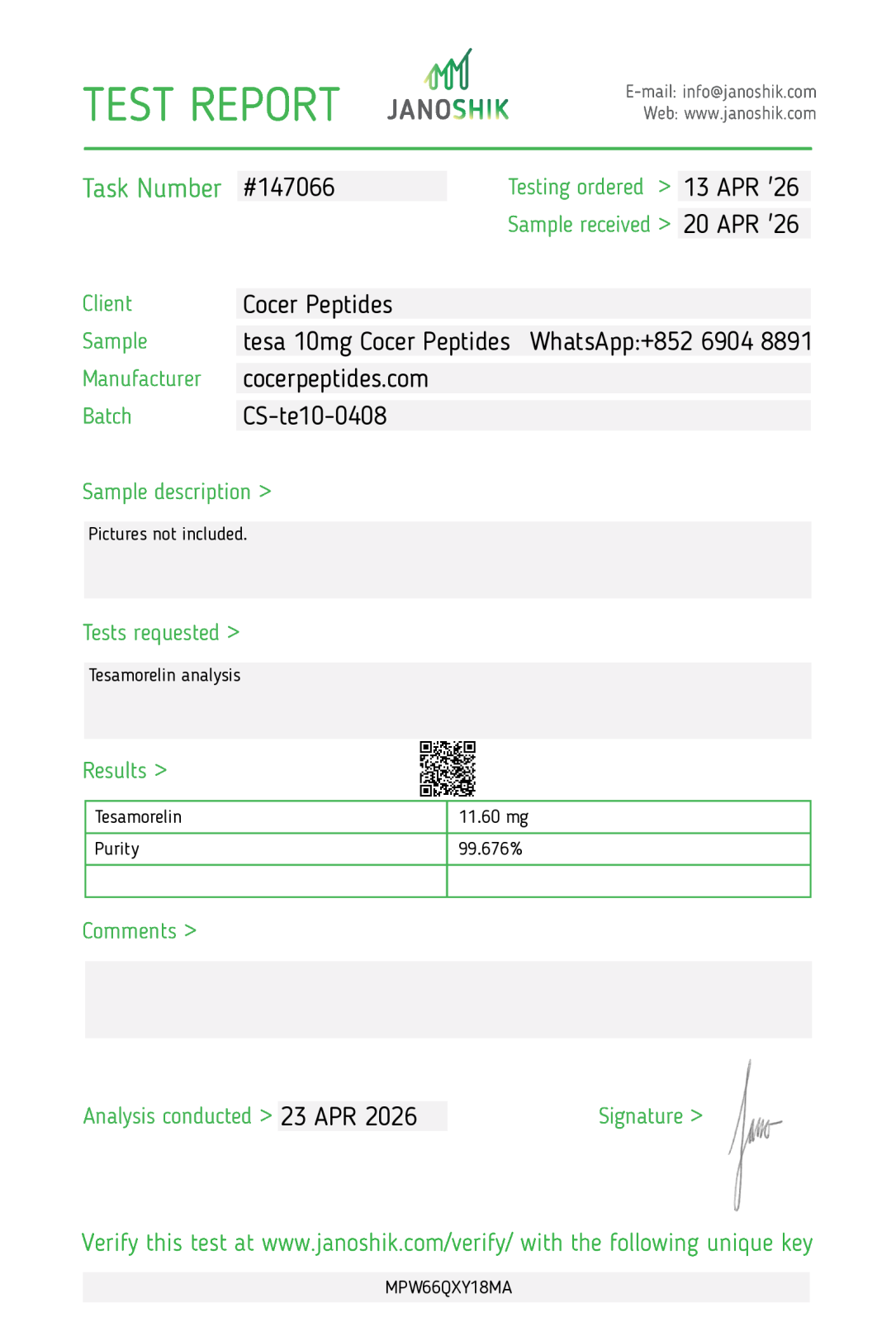
Sequence: YADAI F TNSY RKVL GQLS A RK L LQDI M SRQ QGE S NQ E RGA R ARL Molecular Formula: C221H366N72O67S Molecular Weight: 5136 g/mol CAS Number: 218949-48-5 PubChem CID: 16137828 Synonyms: Egrifta |
 Source:PubMed
[1]
What are the applications of Tesamoreli?
Effects on HIV-infected individuals
Reducing visceral fat and liver fat: Some studies have shown that in HIV-infected individuals receiving integrase inhibitor (INSTIs) treatment, the increase in visceral adipose tissue (VAT) is a concern, because VAT is associated with downstream comorbidities such as non-alcoholic fatty liver disease (NAFLD). Tesamoreli, a growth hormone-releasing hormone analog, has been shown to reduce VAT in HIV-infected individuals with lipohypertrophy by more than 15% within 6 months
[7]. In a placebo-controlled trial of 61 participants with HIV-associated NAFLD, a post-hoc analysis of individuals receiving INSTIs treatment found that after 12 months, the VAT in the placebo group increased by 10.8%, while the VAT in the Tesamoreli treatment group decreased by 8.3% overall. In addition, the liver fat fraction (HFF) in the Tesamoreli treatment group decreased by 31% relative to the baseline, which was significantly higher than that in the placebo treatment group
[7].
Improving fat quality: In HIV-infected individuals, in patients with central obesity who used Tesamoreli, the density of visceral fat (VAT) and subcutaneous fat (SAT) increased, and this increase was independent of changes in fat mass, indicating that Tesamoreli can also improve the quality of VAT and SAT in this group of patients
[8].
Impact on immune function: Long-term use of Tesamoreli can reduce the markers of T cell and monocyte/macrophage activity in the circulation of HIV-infected individuals and downregulate the immune pathways in the liver. Specifically, compared with the placebo, Tesamoreli reduced the circulating concentrations of 13 proteins, including four chemokines, two cytokines, four T cell-related molecules, as well as arginase-1, galectin-9, and hepatocyte growth factor. Network analysis showed that there were close interactions between the gene pathways responsible for reducing these proteins, and targeted transcriptomics confirmed the downregulation signal of the immune pathways in the liver
[9].
Role in non-alcoholic fatty liver disease
Reducing liver fat and preventing the progression of fibrosis: In HIV-associated non-alcoholic fatty liver disease, Tesamoreli has been proven to reduce liver fat and prevent the progression of fibrosis. Researchers conducted a focused evaluation of 9 plasma proteins corresponding to the top leading-edge gene sets in the differentially regulated gene sets and found that Tesamoreli led to a significant reduction in vascular endothelial growth factor A (VEGFA), transforming growth factor β1 (TGFB1), and macrophage colony-stimulating factor 1 (CSF1). In participants treated with Tesamoreli, the decrease in plasma VEGFA and CSF1 was associated with a decrease in the non-alcoholic fatty liver disease activity score, and the decrease in TGFB1 and CSF1 was associated with a decrease in the gene-level fibrosis score. As a regulator of monocyte recruitment and activation, CSF1 may become an innovative therapeutic target for non-alcoholic fatty liver disease in HIV
[2].
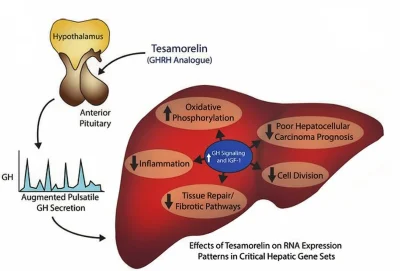
Impact on the liver transcriptome profile: Using gene set enrichment analysis, it was found that Tesamoreli increased the liver expression of the signature gene set related to oxidative phosphorylation and reduced the liver expression of gene sets related to inflammation, tissue repair, and cell division. In addition, Tesamoreli also upregulated and downregulated the selected gene sets related to good and poor prognosis of hepatocellular carcinoma, respectively. In participants treated with Tesamoreli, these changes in liver expression were associated with improved fibrosis-related gene scores
[2]. As a synthetic growth hormone-releasing hormone analog, Tesamoreli has demonstrated therapeutic potential in multiple aspects. In conclusion, a large number of studies have confirmed that it can effectively regulate the secretion of growth hormone and improve the body's metabolic function. In the treatment of HIV infection-related diseases, it has a significant effect on reducing abdominal fat accumulation. By stimulating the secretion of growth hormone and optimizing fat metabolism, it reduces the amount of visceral fat without affecting lean body mass, playing a positive role in adjusting the body composition of patients. In the treatment of non-alcoholic fatty liver disease, some studies have also shown that it can reduce the liver fat content. The significance of Tesamoreli is profound. For HIV-infected patients, it provides an effective means to improve the fat metabolism disorders caused by the disease and treatment, improves the quality of life of patients, helps to relieve the psychological pressure caused by changes in appearance, and enhances their sense of social integration.
About The Author The above-mentioned materials are all researched, edited and compiled by Cocer Peptides.
Scientific Journal Author Stanley T L is a scholar at Harvard University, engaged in research and teaching at institutions such as Harvard Medical School and Massachusetts General Hospital. His research fields include endocrinology and metabolism, infectious diseases, immunology, microbiology, and nutrition and dietetics. He has conducted in-depth explorations in these fields, providing theoretical bases for the diagnosis, treatment, and prevention of related diseases. At the same time, he closely cooperates with organizations such as Harvard Medical School and Massachusetts General Hospital for Children, combining theory with clinical practice and making contributions to the medical cause. Stanley T L is listed in the reference of citation [4].
Source:PubMed
[1]
What are the applications of Tesamoreli?
Effects on HIV-infected individuals
Reducing visceral fat and liver fat: Some studies have shown that in HIV-infected individuals receiving integrase inhibitor (INSTIs) treatment, the increase in visceral adipose tissue (VAT) is a concern, because VAT is associated with downstream comorbidities such as non-alcoholic fatty liver disease (NAFLD). Tesamoreli, a growth hormone-releasing hormone analog, has been shown to reduce VAT in HIV-infected individuals with lipohypertrophy by more than 15% within 6 months
[7]. In a placebo-controlled trial of 61 participants with HIV-associated NAFLD, a post-hoc analysis of individuals receiving INSTIs treatment found that after 12 months, the VAT in the placebo group increased by 10.8%, while the VAT in the Tesamoreli treatment group decreased by 8.3% overall. In addition, the liver fat fraction (HFF) in the Tesamoreli treatment group decreased by 31% relative to the baseline, which was significantly higher than that in the placebo treatment group
[7].
Improving fat quality: In HIV-infected individuals, in patients with central obesity who used Tesamoreli, the density of visceral fat (VAT) and subcutaneous fat (SAT) increased, and this increase was independent of changes in fat mass, indicating that Tesamoreli can also improve the quality of VAT and SAT in this group of patients
[8].
Impact on immune function: Long-term use of Tesamoreli can reduce the markers of T cell and monocyte/macrophage activity in the circulation of HIV-infected individuals and downregulate the immune pathways in the liver. Specifically, compared with the placebo, Tesamoreli reduced the circulating concentrations of 13 proteins, including four chemokines, two cytokines, four T cell-related molecules, as well as arginase-1, galectin-9, and hepatocyte growth factor. Network analysis showed that there were close interactions between the gene pathways responsible for reducing these proteins, and targeted transcriptomics confirmed the downregulation signal of the immune pathways in the liver
[9].
Role in non-alcoholic fatty liver disease
Reducing liver fat and preventing the progression of fibrosis: In HIV-associated non-alcoholic fatty liver disease, Tesamoreli has been proven to reduce liver fat and prevent the progression of fibrosis. Researchers conducted a focused evaluation of 9 plasma proteins corresponding to the top leading-edge gene sets in the differentially regulated gene sets and found that Tesamoreli led to a significant reduction in vascular endothelial growth factor A (VEGFA), transforming growth factor β1 (TGFB1), and macrophage colony-stimulating factor 1 (CSF1). In participants treated with Tesamoreli, the decrease in plasma VEGFA and CSF1 was associated with a decrease in the non-alcoholic fatty liver disease activity score, and the decrease in TGFB1 and CSF1 was associated with a decrease in the gene-level fibrosis score. As a regulator of monocyte recruitment and activation, CSF1 may become an innovative therapeutic target for non-alcoholic fatty liver disease in HIV
[2].
Impact on the liver transcriptome profile: Using gene set enrichment analysis, it was found that Tesamoreli increased the liver expression of the signature gene set related to oxidative phosphorylation and reduced the liver expression of gene sets related to inflammation, tissue repair, and cell division. In addition, Tesamoreli also upregulated and downregulated the selected gene sets related to good and poor prognosis of hepatocellular carcinoma, respectively. In participants treated with Tesamoreli, these changes in liver expression were associated with improved fibrosis-related gene scores
[2]. As a synthetic growth hormone-releasing hormone analog, Tesamoreli has demonstrated therapeutic potential in multiple aspects. In conclusion, a large number of studies have confirmed that it can effectively regulate the secretion of growth hormone and improve the body's metabolic function. In the treatment of HIV infection-related diseases, it has a significant effect on reducing abdominal fat accumulation. By stimulating the secretion of growth hormone and optimizing fat metabolism, it reduces the amount of visceral fat without affecting lean body mass, playing a positive role in adjusting the body composition of patients. In the treatment of non-alcoholic fatty liver disease, some studies have also shown that it can reduce the liver fat content. The significance of Tesamoreli is profound. For HIV-infected patients, it provides an effective means to improve the fat metabolism disorders caused by the disease and treatment, improves the quality of life of patients, helps to relieve the psychological pressure caused by changes in appearance, and enhances their sense of social integration.
About The Author The above-mentioned materials are all researched, edited and compiled by Cocer Peptides.
Scientific Journal Author Stanley T L is a scholar at Harvard University, engaged in research and teaching at institutions such as Harvard Medical School and Massachusetts General Hospital. His research fields include endocrinology and metabolism, infectious diseases, immunology, microbiology, and nutrition and dietetics. He has conducted in-depth explorations in these fields, providing theoretical bases for the diagnosis, treatment, and prevention of related diseases. At the same time, he closely cooperates with organizations such as Harvard Medical School and Massachusetts General Hospital for Children, combining theory with clinical practice and making contributions to the medical cause. Stanley T L is listed in the reference of citation [4].
Richard A. Loy US
I wish I had found this when I started. Things I learned the hard way and that you shouldn't do with Retatrutide: 1- Not drinking enough fluids and not including mineral salts and electrolytes. You dehydrate very quickly with Retatrutide. 2- Cutting calories by more than 1000 kcal was crazy, and I lost almost as much muscle as fat. Remember that Retatrutide increases your basal metabolic rate. 3- Not getting enough protein (I always did this correctly, but many people make mistakes). Aim for 2 grams per kilogram of body weight of muscle mass. 4- Starting with very high doses or increasing them too quickly. I was cautious and started with 0.5 mg and then spent 4 weeks on 1 mg. 5- Thinking it's Tirze or Sema; it's not the same at all. Appetite suppression is less pronounced, and Retatrutide works in the long term. 6- Not weight training; this is a very common mistake. I love it, but a lot of people make mistakes here. I think that training, along with protein, is vital for maintaining mu
04.22.2026 5
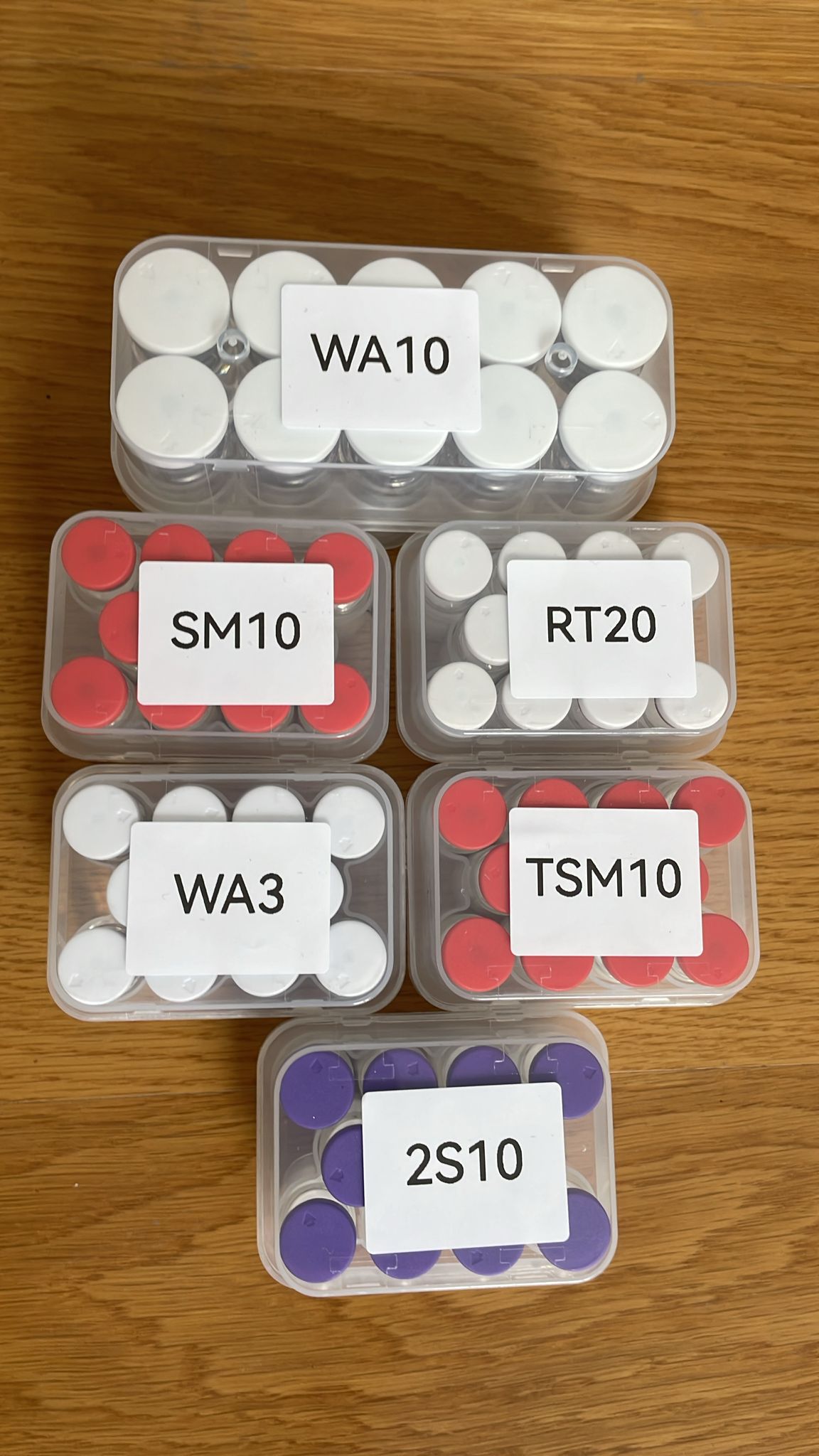
 Retatrutid 1kits(10Vials)

Larry K. Goheen US
32M - Athletic/sports background - I have done about 2-3 days per week lifting/cardio: 30min-1hr. Not strict with it. I went from 2-4-6-8 each month and I've stayed at 8mg. Mots at 2mg 3x weekly. My diet consists of mostly protein and complex carbs. both healthy and unhealthy sources. I don't count calories. Tbh for being as inconsistent as I've been with diet and training, I'm surprised and content with these results. Reta is a most excellent tool!
04.09.2026 7
Retatrutid 1kits(10Vials)
Albert US
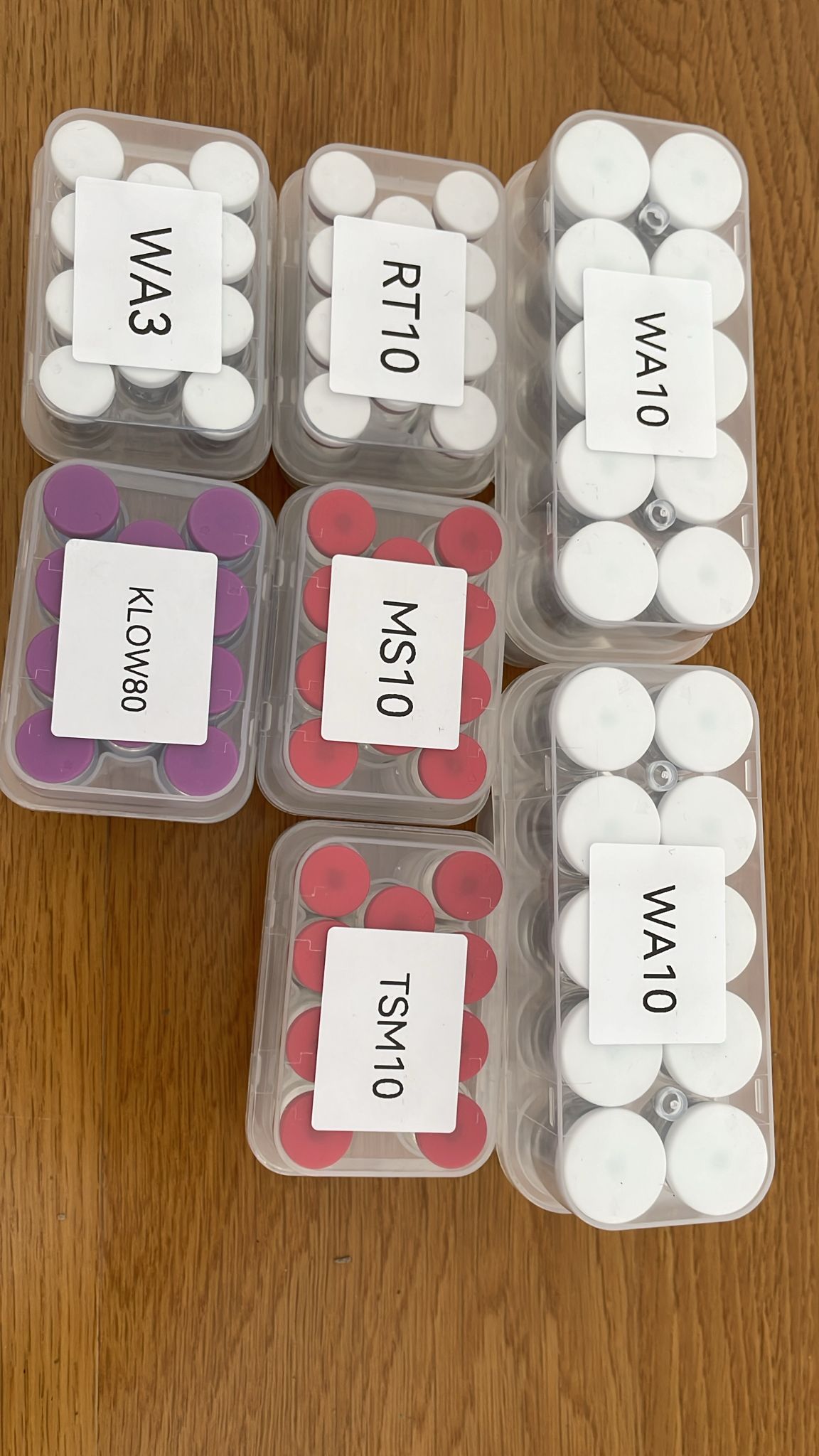
I have been on Retatrutide since January. I have been on Semaglutide and Trizepitide in the past under brand names. I have found Reta, and it’s worked the best for me. I have lost 37 pounds using Reta without the monthly increases that are within the studies. It doesn’t make me feel miserable. I have experience very very minimal side effects. And honesty I can’t see myself ever changing.
04.09.2026 7
Retatrutid 1kits(10Vials)
Martin Lucas US
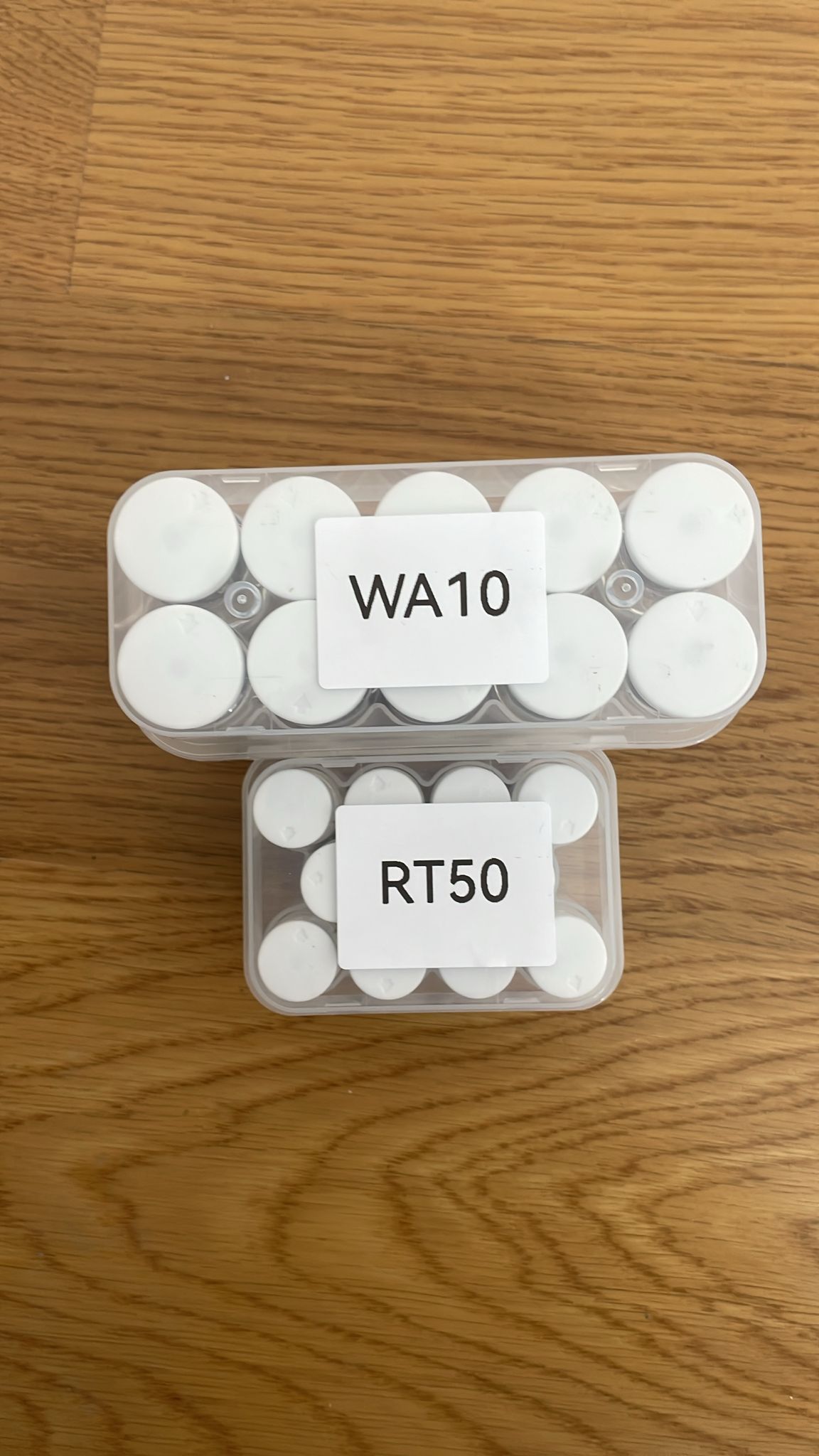
Hey all. I started retatrutide through a friend about 4 months ago and the success has been astounding. I've lost 60 lbs so far (267-208 as of today) and feel much better about myself and the progress I've made in multiple facets of life. I found this place and have been lurkin for a while just taking information in and figured I'd finally post something. Thank you all for the valuable insight and for more to come.
04.06.2026 6
Retatrutid 1kits(10Vials)
Vivian C. Walsh US
I have been taking retatrutide for a few weeks and I had the effects (atleast the weight loss mainly) (hard to say if it was mainly from the hard work put in though) I have already purchased the goods from SH., I was using 13mm needles and now I have some 12.7mm ones (the ones supplied from UK pharmacies) I was wondering if these are too large/long - I know a lot of people use 8mm, could I just choose not to insert the whole needle? Or what angle would be best, I do have a decent amount of belly fat so I believe angled the 12.7mm should work - just wondering if any advice ! Thanks
02.25.2026 5
Retatrutid 1kits(10Vials)
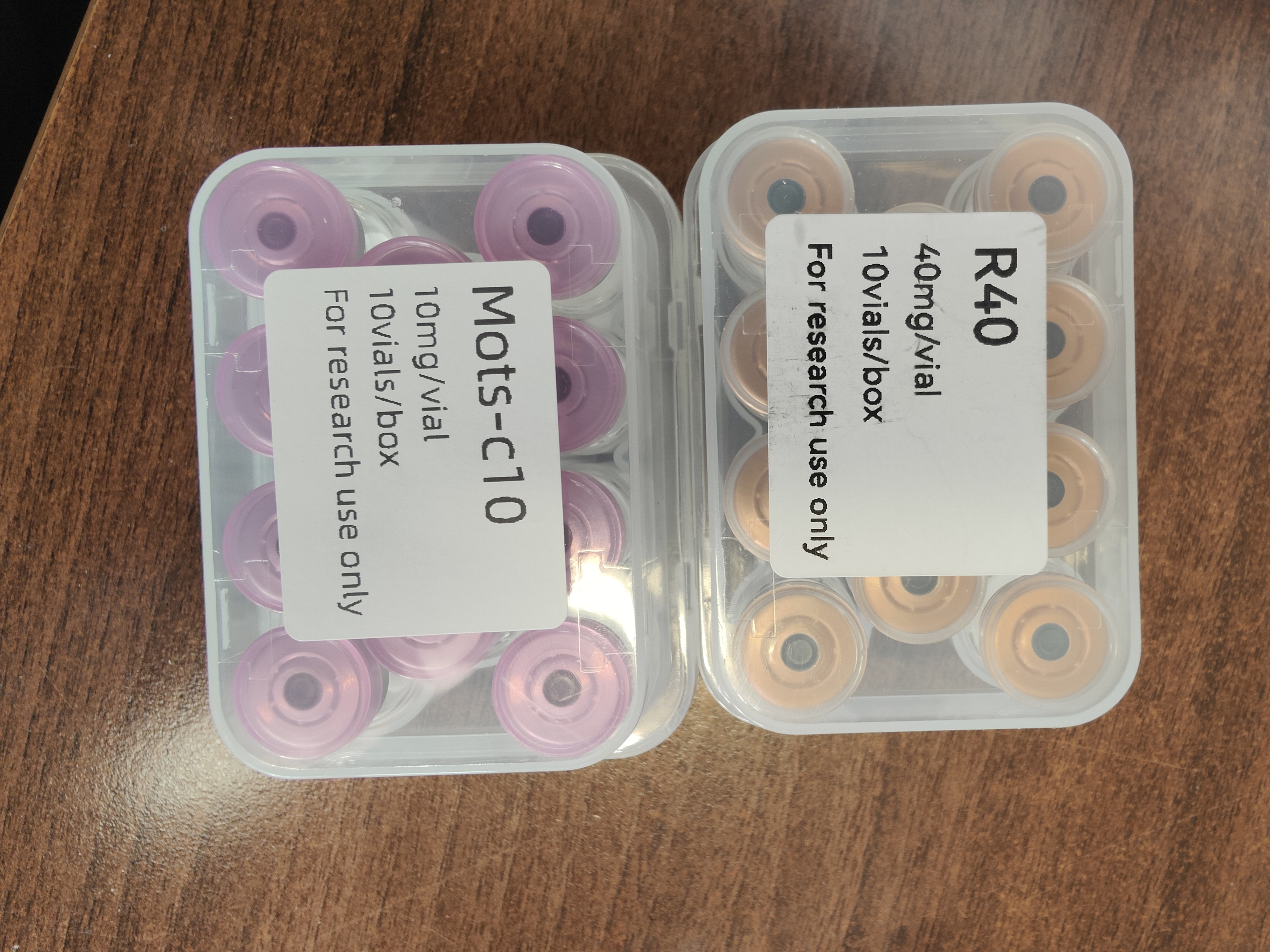
Carlos US
This was my 6th order with SH, arrived in 8 days to the UK, as standard for them. I am delighted.
02.12.2026 4
Retatrutid 1kits(10Vials)

You have successfully commented, please wait for review
Copied Successfully
You can enjoy up to 1 free gift!

Customer Reviews
Real feedback from buyers all over the world, real experience, trustworthy!